Both Barrels April 2026 - Nelson/Marlborough
- Nelson/Marlborough
- 23/04/2026
The 2026 game bird hunting season is upon us, and the first Saturday in May will see around 40,000 hunters take part in this iconic New Zealand pastime. Pre-season chat among hunters will currently be high; preparations should be all but sorted, weather forecasts are sought to see what the likely conditions will be on the day, and now is the time to eagerly anticipate the arrival of dawn on May 2nd and the whistling of wings overhead.
While Opening Day is one of the main events for any game bird hunter, the reality is that the preparation starts months in advance. Scouting new hunting spots or preparation of your maimai (hunting blinds), decoy maintenance, calling and shooting practice, and some final drills for the dog to make sure it's on point for the season.
Hunters may also be involved in wetland development, enhancement through the planting of native species, and in trapping predators. The season also comes at a welcome time for some farmers who are keen to reduce bird numbers that impact farming operations.
Although fuel prices are at historical highs, the tradition of opening weekend – a special time when friends and family reunite from all over the country for what those from the deep south call ‘Southern Christmas’, will likely trump cost concerns.
For those hunting on private land, remember, access is a privilege and not a right, so make sure you thank the farmer where you’re hunting, pick up all your shells and wads, bring gifts of food or their favourite tipple, and offer to help out on the farm – these actions will go a long way to maintain good relationships.
Warm barrels to everyone heading out on Opening Weekend!
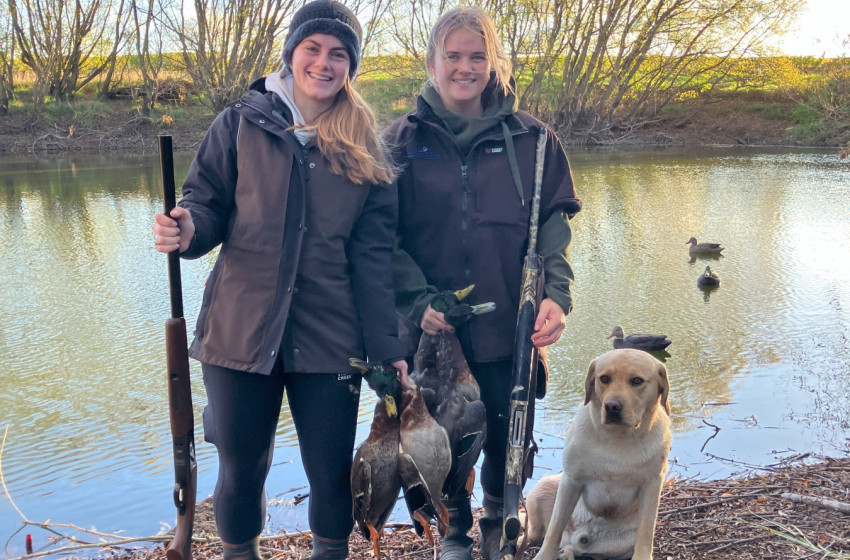
Image above: The opening of the game bird season is about more than just ducks; it’s good times with family and friends.
Facilitated Hunts Coming Up
We have Rabbit Island upland game hunts, an opportunity to hunt quail in plantation forestry over four weekends in Golden Downs and the Wairau Valley, a late-season pukeko drive in the Gardner Valley and a Wairau Lagoon swan management hunt in July.
Register here to put your name down for the various facilitated hunts.
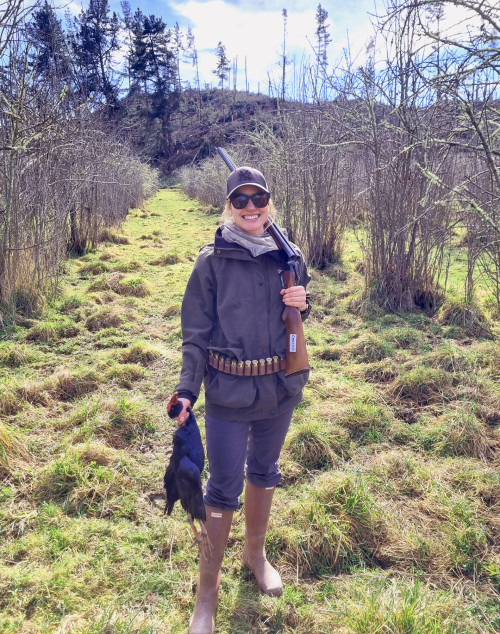
Nicole Hauman with her first pukeko from the 2025 Gardner Valley hunt.
South Island Hunter Harvest Report
Keen hunters will find interesting reading in the 2025 South Island Hunter Harvest report, which you can view here.
This fantastic annual report, produced by Fish & Game, calculates total and average (mean) hunter effort and total and mean harvest for most gamebirds for the whole South Island, as well as individually for each region. It shows how much game bird hunting means to South Islanders, with around 50,000 days spent hunting, and you can see where our region (and others) fit in terms of effort and birds harvested. It shows figures from the past decade, allowing you to see trends over time.
Of interest was Southland's bumper greylard harvest, which saw nearly 50% of the total greylard harvest for the South Island occurring from this region, while Nelson Marlborough accounted for 2.5% greylard harvest. It was also interesting to see that the average opening weekend harvest of greylard and paradise shelduck per hunter was similar to that of the North Canterbury and West Coast regions.
We also account for a decent proportion (28%) of the pukeko harvest (along with the West Coast region) – not surprising considering the high numbers of these birds in the landscape, especially in Tasman and Golden Bay, and also 40% of the South Island swan harvest.
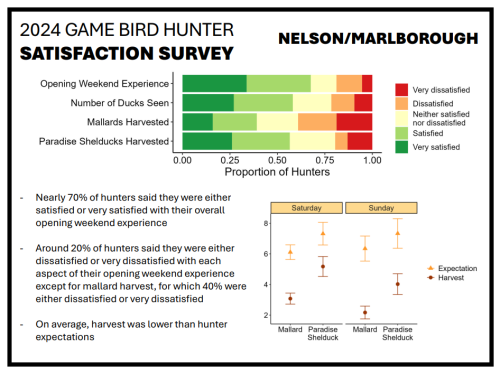
Despite our relatively low greylard harvest, hunter satisfaction with the overall opening weekend experience remains strong, as seen in this 2024 hunter satisfaction survey.
Mallard/Paradise Duck Trend Counts Completed
Staff carried out mallard counts in late March at 60 sites across the region. In Marlborough, while down on last year, this year's count is similar to the 10-year average. In Tasman/Nelson/Golden Bay, there was a 16% reduction in mallard numbers compared to the 10-year average, with the impact most pronounced in the Motueka area; however, numbers in Nelson and Golden Bay were consistent with the 2025 year.
Swan numbers have thankfully reduced from ~20,000 birds (2024) to around 14,000 birds across Marlborough and Tasman, although numbers are still very plentiful in the Wairau lagoons and Golden Bay. Swan numbers in the Waimea Estuary are causing concern for the aviation industry, as eelgrass beds have expanded. Unfortunately, these beds, which are a favoured food source for swans, are close to the airport, and hunters are encouraged to harvest swans in the region to help reduce numbers.
Paradise shelduck numbers remain consistent with previous years in the Buller and Golden Bay sub-regions; however, there was a reduction in bird numbers in Tasman. Anecdotal reports from the Awatere area suggest bird numbers are high, so this could be a good area for Marlborough-based hunters, especially door-knocking on some farms to help reduce the impact of parries on pasture and crops.
Disclaimer:
The information presented in these news items is based on the context and regulations in place at the time of publication. Please note that some articles may include reference to laws and regulatory standards that have since changed. For the most current and accurate information please check our Fishing Licences & Regulations pages or our Hunting Licences & Regulations pages.