North Canterbury Fishing Report - 30th April 2026
- North Canterbury
- 30/04/2026
- Jackson Meecham
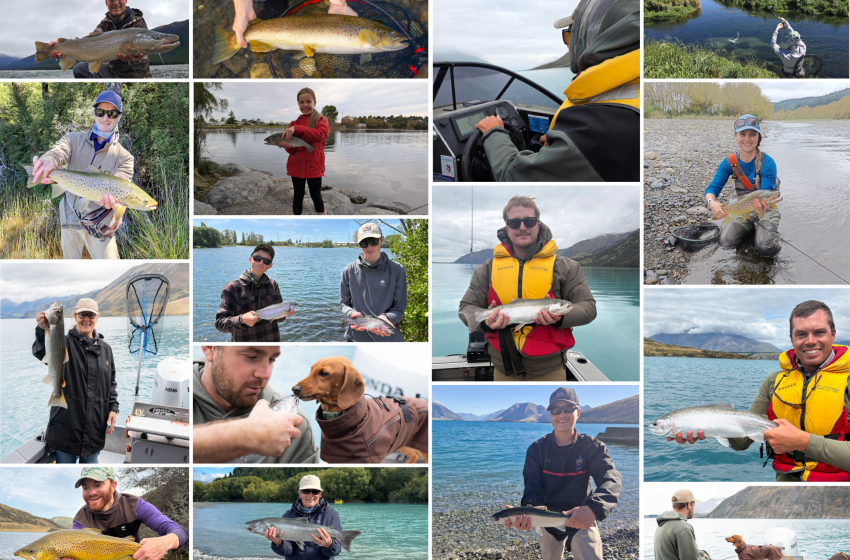
Today is the Final Day of the 25/26 Main Fishing Season
Photo Above: Some of the great fishy memories from the 25/26 season.
As we roll into the final fishing report of the season (and the final day of the main season today), it’s a great opportunity to say a massive thank you to all anglers who have been part of the journey this season.
Your enthusiasm, feedback, and ongoing engagement with the report have been greatly appreciated and play a huge role in shaping the work we do across the region. While the main fishing season has now wrapped up, there is still plenty of opportunity over the winter months for anglers to get out and crack into some truly epic fishing, and we encourage you to make the most of it.
This season has certainly thrown up its challenges. Persistently higher river flows throughout much of the year meant many anglers were forced to change plans or cancel trips altogether. Despite this, the commitment and enthusiasm shown by anglers across the region have remained strong right through the season, which has been great to see. Whether adapting tactics, shifting locations, or simply waiting patiently for conditions to improve, anglers continued to make the most of opportunities when they arose.
As the fishing season winds down, some anglers may now be turning their attention elsewhere, with Game Bird Opening Saturday meaning many will be dusting off the shotguns and spending some time in the maimai. To those heading out, we wish you the very best of luck and hope you enjoy a safe and successful start to the season.
Looking ahead, we’ve now begun our sea‑run salmon monitoring programme, with the first counts recently completed on both the Rakaia and Waimakariri Rivers. On the Rakaia River, staff observed 142 salmon across seven monitored spawning streams, while 46 salmon were counted across 11 monitored spawning streams on the Waimakariri River. Compared to the first count from last season, numbers are slightly higher in both rivers, which is encouraging. However, with this being just the first of five planned counts on our indicator rivers, it’s still far too early to draw any firm conclusions about the overall size of the run. That said, we’ll be continuing these counts alongside a range of other monitoring and field work throughout the winter period.
To stay connected and keep up with everything the team is working on over winter, we encourage anglers to follow us on Facebook, where we regularly share updates, insights, and results from our ongoing work across the region.
Thanks again for a great season, and we look forward to keeping in touch over the months ahead.
Don't Miss An Update Make Sure Your Following Us In All The Right Places!


Sea-Run Salmon Season Bag Card Reminder

As the sea-run salmon season draws to a close, we’re reminding anglers to return their season bag cards once they’ve finished fishing for the year.
If you’ve already sent yours in, thank you — your contribution is greatly appreciated.
If not, please take a moment to do so, even if you didn’t catch a fish or didn’t get out at all. Every response helps build a clearer picture of the fishery and plays an important role in its future management.
The deadline for returns is 7 May. The quickest and easiest way to submit your information is via the online form below.
Winter Fishing Opportunities Around North Canterbury

Richie Cosgrove flicks a line over a drop off at Lake Coleridge during the late winter last year.
While the main fishing season may be behind us, winter in North Canterbury still offers outstanding opportunities for anglers prepared to brave the colder conditions. Clear water, reduced angling pressure, and active fish can combine to produce some truly memorable sessions, making winter one of the most underrated times of the year to be on the water.
Lake Coleridge
Lake Coleridge remains the standout winter fishery in the region and continues to live up to its reputation as a true crown jewel. The lake fishes exceptionally well through the colder months, with brown trout often cruising the margins and rainbows holding over structure or patrolling drop-offs.
Both fly and spin anglers are well catered for. Fly anglers should focus on smelt and bully patterns, along with dark woolly buggers, rabbits, and lumo-style flies when conditions suit. Slow retrieves are often the key, allowing flies to stay in the strike zone longer in the cold water. On calmer days, prospecting the edges can be highly effective, particularly early and late.
Spin anglers will do well using small to medium-sized soft baits, tassie devils, and bibbed minnows. Natural colours work well in clear conditions, while brighter or UV-enhanced lures can fire when light levels are low, or the water has some colour. Persistence and covering ground often pay dividends at Coleridge in winter.
Lake Lyndon
Lake Lyndon also fishes well through winter and provides a more compact option for anglers looking for an easy access opportunity. Fish here respond well to both spinning and fly fishing.
Fly anglers should again lean towards smelt patterns and egg patterns. Spin anglers can expect success with smaller spoons, soft baits, and lightly weighted lures that can be worked slowly through the water.
Lake Taylor
An extremely underrated brown trout fishery, particularly well-suited to boat anglers. Trolling is highly effective, especially along the 8–15m depth contours where fish often patrol. Anglers without boat access can still find success by targeting clear drop-offs and well‑vegetated areas beneath the surface.
Soft baits are a lethal option, while bladed spinners also produce consistent results. Fly anglers should focus on larger streamer-style patterns, fished with a slow, steady retrieve. When trolling, don’t be afraid to experiment; many popular colours can work well, and if the bite slows, switching lures often makes all the difference.

Jackson Meecham completes spawning count on Lake Coleridge spawning stream last winter.
Waimakariri and Rakaia Rivers
The middle and lower reaches of both the Waimakariri and Rakaia Rivers remain open through the winter period, offering excellent opportunities for river anglers. Winter flows are often more settled, and fish tend to hold predictable lies, making careful presentation critical.
For fly anglers, large nymphs, stonefly patterns, and weighted streamers are effective, particularly when fished deep and slow. Clear winter water means stealth is important with longer leaders and careful wading making a difference.
Spin anglers should focus on compact, high-contrast lures that can get down quickly. Silver, gold, and black patterns are consistent producers, while soft baits worked slowly along seams and drop-offs can be deadly in colder water.
Timing Is Everything
When it comes to winter fishing, timing can be just as important as location. Middle-of-the-day sessions often produce well when water temperatures peak as its still going to be quite cold, but early morning and late afternoon can really deliver, on settled days and extremely windy days.
Night fishing in some locations can be absolutely deadly. Trout often feed more confidently under the cover of darkness, especially in lakes. Glow flies, black streamers, and lumo soft baits can be highly effective but be prepared for cold conditions and take extra care around the water.
Embrace the Winter Advantage
Winter fishing isn’t always easy, but those willing to put in the effort are often rewarded with solitude, clear water, and quality fish. Layer up, slow things down, and adapt your tactics to the conditions.
Tackle Tip Of The Week: Winter Fishing Gloves

As water temps drop and winter creeps in, keeping your hands warm can make the difference between a great session and an early trip home. Cold fingers mean slower reaction times, clumsy knots, and less feel on the bite so winter gloves are well worth adding to your kit.
Look for gloves designed specifically for fishing, not just warmth. Neoprene or softshell styles offer insulation while staying water‑resistant, and fingerless or fold‑back fingertips are ideal for tying knots and handling tackle without fully exposing your hands to the cold. A snug fit is key—too loose and you’ll lose feel; too tight and circulation suffers.
Grip is another big factor. Rubberised palms help when handling rods, and gripping reels, especially on frosty mornings. Warm, dry hands mean more comfort, better control, and longer time on the water which is exactly what you want as winter fishing fires up.
Weather Outlook
(Mainly for the Duck Hunters)
Christchurch

Rakaia

Waipara

Culverden

Hanmer Springs

Arthurs Pass

Lewis Pass

River Flows in m3/s
Waiau Uwha at Malings Pass: 3.94
Waiau Uwha at Marble Point: 54.556
Hurunui River at No.2 Hut: 10.664
Hurunui River at SH1 Bridge: 41.511
Ashley River at Lees Valley: 3.876
Ashley River at SH1 Bridge: 12.115
Waimakariri River at Below Otarama: 74.075
Waimakariri River at Old Highway Bridge: 82.453
Selwyn River at Whitecliffs: 2.15
Selwyn River at Coes Ford: 1.08
Halswell River at Ryans Bridge: 0.807
Harts Creek at Timber Yard Road: 0.484
Rakaia River at Fighting Hill: 96.733
To help you plan your fishing adventures, be sure to check the following resources:
- E-Can River Flows: River Flow Data
- Outdoor Access Live Cameras: Live Cameras (subscription required)
- MetService Weather Warnings: Weather Warnings
- Windy: Wind Radar
- Yr Weather Service (most accurate for High Country): Yr Website
- Canterbury Weather Updates: Webcams and Website
Stay safe out there!
Please note: This weather update is current at the time of publishing. We recommend checking the latest forecasts, river flows and road conditions before heading out.
Click the licence below to get your licence today!
If you don't already have a full-season licence, your best option going forward is to pick up a winter licence, which will officially go on sale tomorrow. This saves you a bit of money if you're planning to get out on the water this winter.

Next Video Report: Next Season
Next Written Report: Next Season
Tight Lines,
Jackson Meecham, North Canterbury Fish & Game Officer & the whole North Canterbury Team.
Disclaimer:
The information presented in these news items is based on the context and regulations in place at the time of publication. Please note that some articles may include reference to laws and regulatory standards that have since changed. For the most current and accurate information please check our Fishing Licences & Regulations pages or our Hunting Licences & Regulations pages.