Back to Fishing Knowledge Hub
Fishing regulations and etiquette
Understand the regulations that keep fishing sustainable.
Freshwater fishing in New Zealand is managed through both national (First Schedule) regulations that apply across the fisheries managed by Fish & Game and regional (Second Schedule) regulations that set the rules for individual fisheries.
These rules help protect fish populations and the angling experience.
Regulations can vary between regions, rivers, lakes, and even sections of rivers, so it is important to check the local regulations before you go fishing. Key rules include open and closed seasons, daily bag limits, size limits, and method restrictions. All anglers are responsible for knowing and following the regulations for the area they are fishing.
Guides
How to read the angling regulations
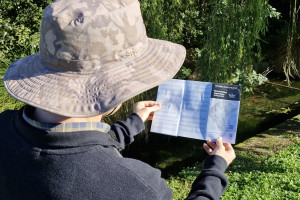
The angling regulations outline where, when, and how you can fish in each Fish & Game region.
Waters are listed alphabetically for each region. For each listed fishery, there will be an open season, permitted methods, bag limit and ‘notes’. The notes may relate to factors such as boat use, special regulations/licence requirements or restrictions (e.g., junior fishery regulations). When in doubt, always refer to the most recent regulation booklet, the Fish & Game website or regional Fish & Game office before fishing.
If the river, stream or pond you want to fish isn’t listed by name in the schedule of waterways, in comes under the “All other waters” category.
Angler Code of Conduct
It's important that anglers understand their responsibilities to the environment and each other when out on the water.
Please consider the rights of others and observe the ‘Anglers’ Code of Conduct’ while freshwater fishing in New Zealand:
- If no Fish & Game access sign is present, always ask permission from the land occupier before crossing private property.
- Park vehicles so that they do not obstruct gateways or cause a hazard on the road or access way.
- Keep well clear of livestock and do not interfere with crops, machinery or other property.
- Always use gates, stiles or other recognised access points and avoid damage to fences.
- When driving on riverbeds, keep to marked tracks or park on the bank and walk to your fishing spot.
- Never push in on a pool occupied by another angler. If you are in any doubt, ask those already there whether it is okay to join them.
- Always enter a pool behind the direction being fished by any angler already there.
- Move upstream or downstream with every few casts (unless you are alone).
- Avoid unnecessary wading or any avoidable disturbance to the water.
- Fish being returned to the water should be released as carefully and quickly as possible. Remove the hook and return the fish facing upstream until it swims away.
- Fish being retained should be killed as quickly as possible by a blow to the head with a rock (or similar tool), or by cutting the fish’s throat with a knife.
- Always respect the environment, wildlife, other anglers and members of the public.
- Remove waste nylon line and personal litter from the riverbank and angler access areas.
- Leave everything as you found it. If a gate is open or closed, leave it that way. When opening a fastened gate or tape, make a mental note of the configuration so you can leave it exactly as you found it.
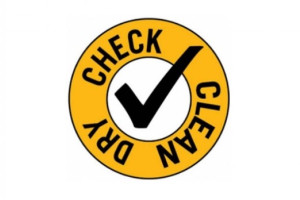
- The only way we can protect our rivers in the long term is to CHECK, CLEAN and DRY all your gear before entering another river or lake anywhere in New Zealand. Didymo and other aquatic pests are adversely affecting New Zealand fresh waterways.
- Remember to treat others as you would wish to be treated yourself!
Angler etiquette
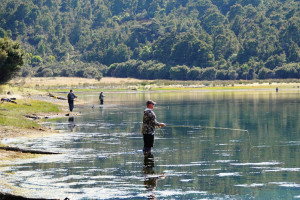
Adhering to appropriate angler etiquette, the likes of the ‘Angler Code of Conduct’ helps ensure a positive experience for everyone on the water.
It also helps protect access, reduce conflict, and maintain healthy relationships with farmers and landowners who own property that adjoins rivers and lakes that we like to fish in. Check out the video for more information on how you can follow good etiquette when fishing around New Zealand.
Check, Clean, Dry
New Zealand's rivers, streams, and lakes are under constant threat from invasive freshwater pests and aquatic weeds.
Species such as didymo, lagarosiphon, hornwort, and the recently discovered gold clam have the potential to significantly impact freshwater ecosystems, recreational opportunities, and the quality of our fisheries.
One of the most effective ways anglers can help protect freshwater environments is by following the Check, Clean, Dry procedure every time they move between waterways. This simple process is our best line of defence against the spread of invasive species and is a responsibility shared by all freshwater users.
Before leaving a waterway, check all fishing gear, boats, trailers, waders, nets, and equipment for any visible plant material, mud, or debris and remove it.
Next, clean any equipment that has been in the water. This may involve applying an approved cleaning treatment or thoroughly washing equipment to remove any organisms that may not be visible to the naked eye.
Finally, dry all equipment completely before using it in another waterway. Many freshwater pests can survive for extended periods in damp conditions, so allowing gear to dry fully is an important part of preventing their spread.
By taking a few extra minutes to Check, Clean, Dry, anglers can play an important role in protecting New Zealand's freshwater environments and fisheries.