Back to Fishing Knowledge Hub
Fly fishing
Fly fishing is a highly effective and rewarding way to target trout in New Zealand.
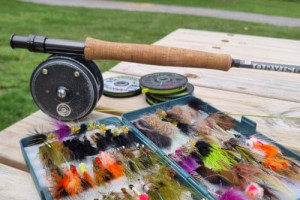
Fly fishing involves using an artificial fly, constructed from feathers and synthetic materials, designed to imitate insects and other natural food sources. These flies are presented on a lightweight fly rod and line.
Unlike spin or bait fishing, fly fishing uses the weight of the line, rather than the lure/sinker, to cast. While it does require some technique and practice to become proficient, it is a highly rewarding and enjoyable way to fish for trout.
There are three main approaches to fly fishing: dry fly fishing, nymph fishing, and streamer fishing.
Guides
What is dry fly fishing
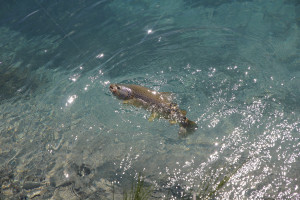
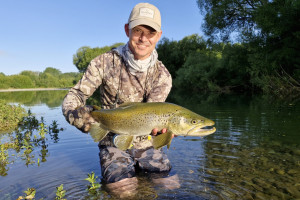
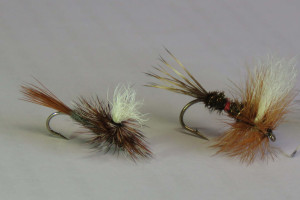
Dry fly fishing involves presenting a fly that floats on the surface of the water. The fly is designed to imitate adult insects such as mayflies, caddisflies, or other terrestrial insects that have fallen onto the water surface.
This style of fishing is highly visual and exciting, as you will see the trout rise to take your fly off the surface. Success often comes down to “matching the hatch”, which means selecting a fly that closely resembles the insects present in the area at the time you are fishing, ensuring trout are actively feeding on that food source.
Dry fly fishing can be approached in two main ways:
- Sight fishing: stalking and targeting individual fish that can be seen feeding or holding in the water. This is a very visual, deliberate and exciting approach, often requiring careful presentation to avoid spooking the fish.
- Blind fishing: reading the water and casting to areas where trout are likely to be holding, even if they cannot be seen. This involves prospecting likely holding water such as riffles and runs, undercut banks, and slower edges.
What is nymph fishing
Nymph fishing involves using flies that sink below the surface to imitate aquatic insects in their larval or nymph stage. Since most trout feeding occurs below the surface, nymph fishing is often one of the most consistently effective fly fishing methods.
Nymphs are typically fished through likely holding water using a dead drift, allowing the fly to drift naturally with the current. Takes are often subtle, so anglers need to watch closely for any movement in the fly line or indicator or movement of the fish that suggests the fly has been taken.
Like dry fly fishing, nymphing can also be approached in two ways:
- Sight fishing: Stalking and targeting visible trout and presenting the nymph directly upstream of the fish, often focusing on achieving a precise drift through the trout's feeding lane. An indicator is generally not required when sight fishing, as the angler can watch the fish itself for signs that the nymph has been taken. Subtle movements such as the fish opening its mouth, changing direction, tilting, or moving sideways can all indicate a take and signal that it is time to set the hook.
- Blind fishing: reading the water and prospecting for fish in likely holding areas such as runs and riffles where trout are feeding, even if they cannot be seen. Blind nymph fishing often involves the use of a foam or yarn indicator to help detect takes.
Whether sight fishing or blind fishing, an important element of success if being able to ‘read’ the water. We’ve got a ‘how-to’ brochure here.
What is streamer fishing?
Streamer fishing involves using larger flies that imitate baitfish. Unlike dry flies or nymphs, streamers are designed to actively move through the water (rather than drift) and provoke an aggressive strike.
This style of fly fishing requires the angler to actively retrieve the streamer by “stripping” line to impart movement and action.
As with other fly fishing methods, streamer fishing can be done in two main ways:
Sight fishing: targeting visible trout and casting the streamer to fish holding in deeper water, along structure, cruising edges, or actively chasing baitfish. The fly is then retrieved in a way that encourages a strike.
Blind fishing: covering water by casting into likely holding areas such as deeper pools and runs, and alongside undercut banks, then retrieving the fly through the water column in search of active fish.
The retrieve is a key part of streamer fishing, with variations in speed, pauses, and stripping patterns often triggering a strike.
Fly patterns to use
There are many different fly patterns available, but you only need a small selection of proven options to get started. The following flies are reliable choices for New Zealand trout fishing and cover a range of conditions.
Dry Flies:
Dry flies sit on the surface of the water and imitate adult or emerging insects.
- Dad’s Favourite/Adams (size #14–16) - Classic mayfly imitations that work well in a wide range of conditions.
- Parachute Adams (size #14–16) - A great emerging mayfly imitation that sits low in the water film.
- Blue Blowfly (size #14–16) A highly effective summer dry fly, particularly useful when trout are feeding on larger terrestrial insects.
Nymphs:
Nymphs imitate the underwater life stage of aquatic insects and are fished below the surface.
- Pheasant Tail (size #14–16) - A highly versatile nymph that can be fished either weighted or unweighted (bead head or standard).
- Hare & Copper (size #14–16) Another versatile and effective all-round nymph that can be fished either weighted or unweighted.
It is useful to have both weighted and non-weighted versions of these nymphs in your fly box. Gold and black bead heads are good general bead head colour options.
Streamers:
Streamers imitate baitfish and are fished with an active retrieve to trigger a strike.
- Woolly Bugger (olive and black, size #4–6) - A highly effective general-purpose streamer that works well in many water types and conditions. Can be weighted (bead head) or unweighted.
- Grey Ghost (size #4–6) - Well suited to tidal areas, where it imitates smelt and other baitfish species.
How to cast a fly rod
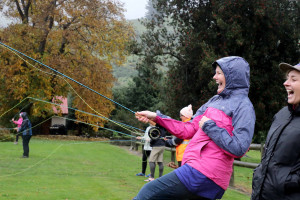
Fly fishing looks deceptively simple. A smooth back-and-forward movement sends a tiny fly out across the water, but unlike conventional fishing, you are not casting the fly itself. The secret is the fly line — and understanding how the rod and line work together is the key to learning to cast.
How a Fly Rod and Line Work
A fly rod is designed to be light, flexible and responsive. When you cast, the rod bends as energy is applied to it. As the rod straightens, that stored energy is transferred into the fly line, causing the line to unroll through the air.
This is different from conventional fishing, where the weight of a lure or sinker provides much of the momentum needed to cast. A fly is usually far too light to do this. Instead, the weight of the fly line is what you are casting.
Fly lines are specially designed with different weights and tapers. The heavier section of line carries energy from the rod and allows the lighter leader and fly to follow it. At the end of the line is a thin, almost invisible leader, to which the fly is attached.
Think of the system as a chain: the rod loads and releases, the fly line carries the energy, the leader transfers it to the fly, and the fly lands gently on the water.
The Basic Cast
The most useful cast to learn first is the overhead cast. Before beginning, make sure you have plenty of open space behind and in front of you. Keep the fly away from people, trees and other obstacles.
Hold the rod comfortably in your dominant hand, with your thumb generally positioned on top of the grip. Keep your wrist firm but relaxed.
Start with several metres of fly line outside the rod tip. Lift the rod smoothly and bring it backwards, stopping when the rod is pointing upwards and slightly behind you.
Pause.
This pause is important. As the rod moves backwards, the line forms a loop behind you. Waiting allows the line to straighten before you make the forward cast. You should be able to feel the rod load as the line pulls against it.
Once the line has straightened behind you, move the rod smoothly forwards and stop it firmly with the rod tip pointing towards your target.
The line will continue travelling forward, forming another loop before unrolling towards the water.
The cast should come from the rod and forearm, rather than large movements of your whole arm. Avoid trying to throw the fly. Instead, think about moving the rod smoothly and allowing it to do the work.
The Importance of Timing
Good fly casting is largely about timing rather than strength.
One of the most common mistakes beginners make is starting the forward cast before the line has straightened behind them. This causes the line to collapse or the fly to fall short.
Another common mistake is using too much force. A powerful, jerky cast can actually make casting harder. Smooth acceleration, followed by a crisp stop, allows the rod to load properly and transfers energy efficiently into the line.
As your timing improves, you can gradually increase the amount of line outside the rod tip. The longer the line, the more energy and control are required.
Putting It on the Water
Once you can form consistent loops, your goal is to present the fly gently. As the line straightens in front of you, lower the rod slightly and allow the leader and fly to settle softly onto the water.
Remember: smooth movement, good timing and a controlled stop are more important than power.
With practice, casting becomes less about thinking through every movement and more about feeling the rod load and release. Once that happens, the fly rod, line and angler begin to work as one — and that is when fly fishing really starts to become enjoyable.
Must read Before you fish
Knots for fly anglers
Fly anglers need to learn a couple of specific fly fishing knots. These knots are the perfection loop, which connects your tapered leader to the braided loop on your fly line, and the surgeon's knot, which joins a length of fine tippet to the end of your leader.
Perfection loop
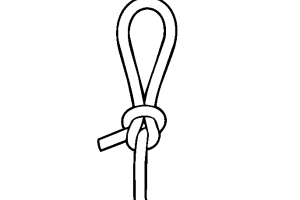
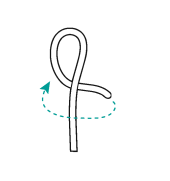
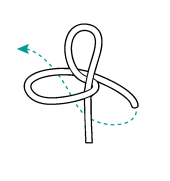
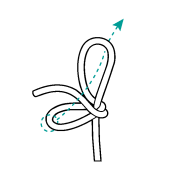
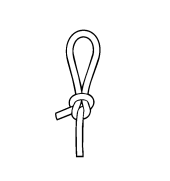
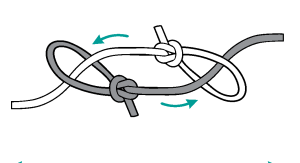
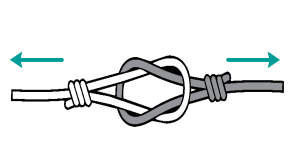
The perfection loop is used to create a neat, strong loop in the butt end of your tapered leader. This loop connects to the braided loop on your fly line using a simple loop-to-loop connection.
|
|
| 1. First loop - Pass the tag end behind the standing line to form a loop. | 2. Second loop - Wrap the tag end around the standing line to create a second loop, then make another turn crossing over the top of that loop. |
|
|
| 3. Pass through the loop - Hold the tag end in place and pass the second loop through the first loop. | 4. Tighten & trim - Pull the second loop until the knot jams tight, then trim the excess tag end. |
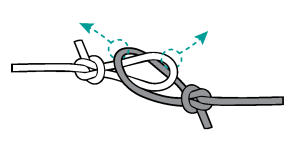
Loop-to-loop connection
|
|
| 5. Pass the loops - Take the loop on your fly line and pass it through the loop on your leader. | 6. Feed the leader - Pass the end of the leader (not the loop end) through the fly line loop. |
|
|
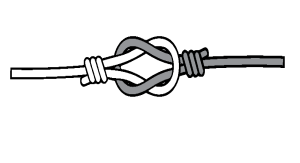
| 7. Tighten - Pull the fly line and leader in opposite directions so the loops slide together. | 8. Complete - The loops should
lock together in a neat, square-looking connection. |
Surgeon's knot
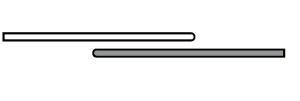
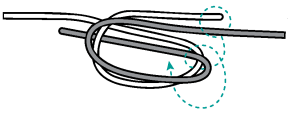
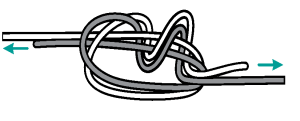
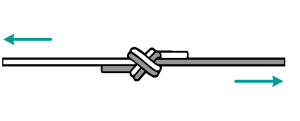
The surgeon's knot is a quick and reliable way to attach a length of tippet to the end of your tapered leader. As you change flies, or break off line, your leader gradually becomes shorter. Adding a fresh section of tippet with a surgeon's knot extends length of your tapered leader. It is an easy and useful knot that every fly angler should know.
|
|
| 1. Overlap the lines - Place the two lines side by side, overlapping the ends. | 2. Form loop - Make a small loop using both lines together. |
|
|
| 3. Wrap & tighten - Pass the tag end around the loop 3 times, wet the knot, and pull all four strands evenly to cinch it down. | 4. Tighten - Pull firmly on both lines to make sure the knot is secure before use. |
Must read Before you fish
Women supporting women in fly fishing
There is support to assist women get into and build skills.
Women on The Fly New Zealand is a friendly and welcoming community that helps more women discover and enjoy fly fishing. Since starting in 202, it has brought together women from around New Zealand who share an interest in fly fishing and the outdoors.
Everyone is welcome, from those who have never picked up a fly rod to experienced anglers keen to meet and fish with other women. Workshops, social events and connections with clubs and fellow anglers provide plenty of opportunities to learn new skills, build confidence and have fun along the way.
The community is supported by a nationwide network of volunteers, mentors, clubs and industry partners. Activities vary around the country and include introductory sessions, skills workshops, fly tying, fishing weekends and relaxed social opportunities to get together on the water.
To find out more, see what’s coming up or join the community, visit womenonthefly.nz or follow Women on The Fly NZ on Facebook and Instagram.