Back to Fishing Knowledge Hub
When to fish
The timing of your fishing can have a major influence on both your success and the fishing opportunities available.
Fish behaviour changes throughout the year in response to water temperature, food availability, and spawning. These seasonal changes affect where fish are found, how actively they feed, and how easy they are to catch.
Seasonal changes can also affect where you are legally allowed to fish. Many fisheries close during spawning periods to protect spawning fish. Other fisheries remain open year-round. Always check the regulations for the area you intend to fish.
Guides
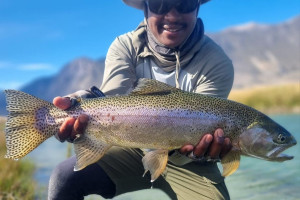
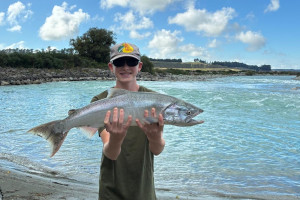
Trout behaviour through the season
October – November: Early season
The start of the fishing season is an excellent time to be on the water. Trout have recently finished spawning and are actively feeding to regain condition lost over winter. River flows are often higher than they will be in the summer, providing fish with favourable water temperatures. These conditions can make trout easier to catch, particularly for spin anglers. Spring insect activity also begins to increase, creating good opportunities for fly fishing.
December – February: Summer
Summer is the peak fishing season in many parts of New Zealand. Trout are generally active and feeding well. However, declining river flows, clearer water, and warmer water temperatures can make fish more cautious and difficult to approach. Fly anglers often continue to fish successfully during these conditions, while spin anglers may find the best fishing occurs during the cooler morning and evening periods.
March – April: Autumn
Autumn can provide some of the year's best fishing. Trout are often in excellent condition after a summer of feeding, while cooler temperatures and increased rainfall can improve river conditions. Fresh flows often stimulate fish activity and can increase catch rates. Fish are typically feeding heavily in preparation for winter and, in the case of brown trout, the upcoming spawning season.
May – July: Late autumn and winter
Brown trout generally spawn during late autumn and early to mid-winter, often moving into smaller tributaries and spawning streams. Many of these streams are closed to fishing during this period to protect spawning fish. However, fishing opportunities remain available in many lakes and lower river reaches across the country.
Rainbow trout generally spawn later than brown trout, and some brown trout may not spawn every year. This means that a range of fisheries can remain productive throughout the winter period, particularly lakes and the lower reaches of mainstem rivers where fish continue to feed.
August – September: Late winter and early spring
Late winter and early spring are typically the spawning period for rainbow trout. In lake systems, many rainbow trout move into tributary streams and rivers to spawn, and many of these areas will be closed to fishing. Brown trout have often completed spawning by this stage and are returning to lakes and main river systems. Many brown trout also move into lower river reaches at this time to intercept baitfish moving into freshwater during spring. These conditions can create excellent fishing opportunities before the start of the new season in October.
Salmon behaviour through the season
Salmon behaviour throughout the year differs depending on whether the fish are sea-run or landlocked.
Sea-run Chinook salmon migrate from the ocean into freshwater systems to spawn, while landlocked populations remain within lake and river systems.
Unlike trout, salmon stop feeding once they begin their spawning migration and instead rely entirely on stored energy reserves. However, they can still be caught during this period as they will often strike lures or flies out of a territorial or aggressive response rather than feeding. This means anglers can still catch salmon when they are not actively feeding.
Sea-run Chinook salmon
Sea-run Chinook salmon arrive at South Island river mouths from late November through to April. These fresh-run fish are bright silver in colour. After entering freshwater, salmon move upstream towards their spawning areas, with spawning generally occurring during April to July. As they spend time in freshwater, they gradually darken in colour and develop spawning characteristics. Their condition declines markedly as stored energy is used to fuel migration and spawning. They die after spawning.
Landlocked Chinook salmon
Landlocked Chinook salmon occur in several South Island lake systems and complete their entire life cycle in freshwater. Because they do not have access to the abundant marine food resources available to sea-run fish, they are generally much smaller in size, although an exception is the salmon of the Mackenzie hydro canals where they can reach very large sizes. Landlocked salmon can be targeted in lakes and hydro canals throughout much of the fishing season. Spawning for lake locked salmon typically occurs during May and June.
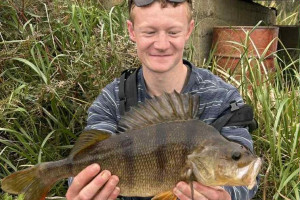
Perch behaviour through the season
Perch are highly active during the summer months and are well adapted to warmer water temperatures.
During this period, they feed aggressively, targeting small fish and aquatic insects. Smaller perch (approximately 10-15cm) commonly form large shoals, while larger fish tend to be more solitary or are found in smaller groups.
In winter, perch activity slows markedly due to colder water temperatures, although they can still be caught. Feeding is generally less frequent, and fish are often less aggressive.
As late winter and early spring approach, perch move towards spawning areas and congregate around suitable habitat, particularly macrophyte (weed) beds. During this period, they start to become much more active and aggressive, making it an excellent time to target them.
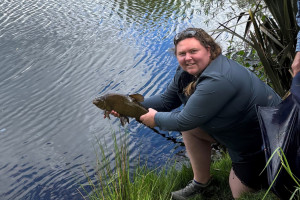
Tench behaviour through the season
Tench are most active during the warmer months of spring and summer when water temperatures rise and aquatic vegetation is abundant.
During this period, they feed actively on invertebrates, insect larvae, worms, snails, and other food items found on or within the sediments on the bottom of the pond, river or lake.
Tench are strongly associated with cover and are most commonly found near dense weed beds, submerged timber and reed margins. They are generally most active during low-light periods such as dawn and dusk, although they will feed throughout the day.
As water temperatures fall through autumn and into winter, tench activity and feeding decreases. They feed less frequently and are relatively inactive. As late winter and early spring approach, tench begin to increase their activity levels in preparation for the spawning season. Fish move into shallow, vegetated areas and congregate around suitable spawning habitat, particularly dense weed beds.