Both Barrels July 2026 - Taranaki
- Taranaki
- 16/07/2026
Sights on Pūkeko
With the main waterfowl season closing, attention shifts to the species that remain in season until Sunday 30 August, which includes Cali quail, cock pheasant and pūkeko.
Pūkeko can offer a rewarding and productive hunting opportunity, with recent population trend counts indicating stable numbers throughout the Taranaki ringplain.
Organising a pūkeko drive not only provides great sport, but offers real value to farmers, especially on the wetter parts of the Taranaki ringplain where pūkeko numbers are higher and birds can damage maize and horticultural plantings and peck holes in silage wrap.
From a culinary perspective, pūkeko are an underrated gamebird with flavourful breast meat that is well worth taking the time to prepare. We have some great resources on preparing pūkeko after harvest, including how to breast them, and tasty ways to prepare them.
Strong hunter/farmer relationships are key to getting access and ensuring mutual benefit. If you’re looking to get a drive organised, now is a great time to ask around. It could be the start of an ongoing arrangement that not only helps with pūkeko control but may also open doors for future gamebird hunting opportunities.
An effective drive doesn’t require a big crew, just a few mates and a couple of steady dogs working in formation can be enough to flush birds and put on a productive shoot.
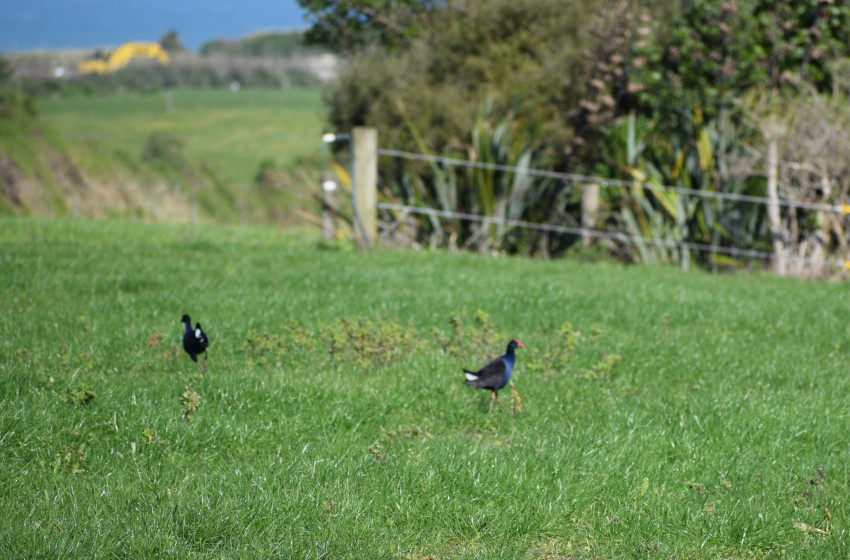
Photo above: Pūkeko are often found feeding in dairy pasture adjacent to wetlands and riparian areas.
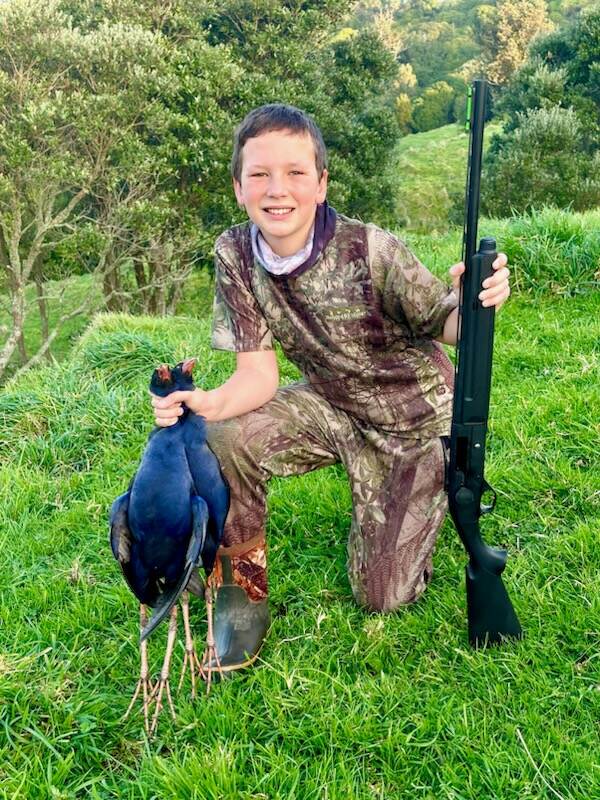
William Dannefaerd with a nice brace of pūkeko
Upland Hunting at Harakeke and Tauwhare Forests & Nukumaru Recreation Reserve
If you're keen to set the sights on pheasants near Whanganui, it’s well worth considering getting access to Harakeke and Tauwhare forests and Nukumaru Recreation Reserve. There has been little hunting pressure in Harakeke and Tauwhare forests so far this season, so they are well worth a visit.
To hunt in Harakeke (two blocks) or Tauwhare (one block), you’ll need to be selected through a weekly draw. These areas are open for upland game hunting only on Saturdays and Sundays. Here’s how it works:
- Ensure you have your current game license and firearms license information handy, then contact Taranaki Fish & Game by either calling 027 263 9152 or emailing [email protected] to claim your free hunting permit.
- Enter the draw by getting in touch with Fish & Game before 12 noon on Wednesday each week. You can apply for one or more blocks and days. (If you're hunting with others, just one person from your group should enter).
- You’ll be contacted on Thursday afternoon to let you know if you’ve been successful. (You must win a spot in the draw to be allowed to hunt that weekend).
One complicating factor at Harakeke, is that owing to wind damage at Santoft Forest, the Ridge Runner Sled Dog Club is using the part of Harakeke Forest owned by Ernslaw One on one day each weekend, with a preference for Saturday. In terms of time, they will convoy into the forest at 7am and generally be finished by 10am. They will notify which day they’re going to use the forest on their facebook page. For further information email [email protected] or ring 0272639152.
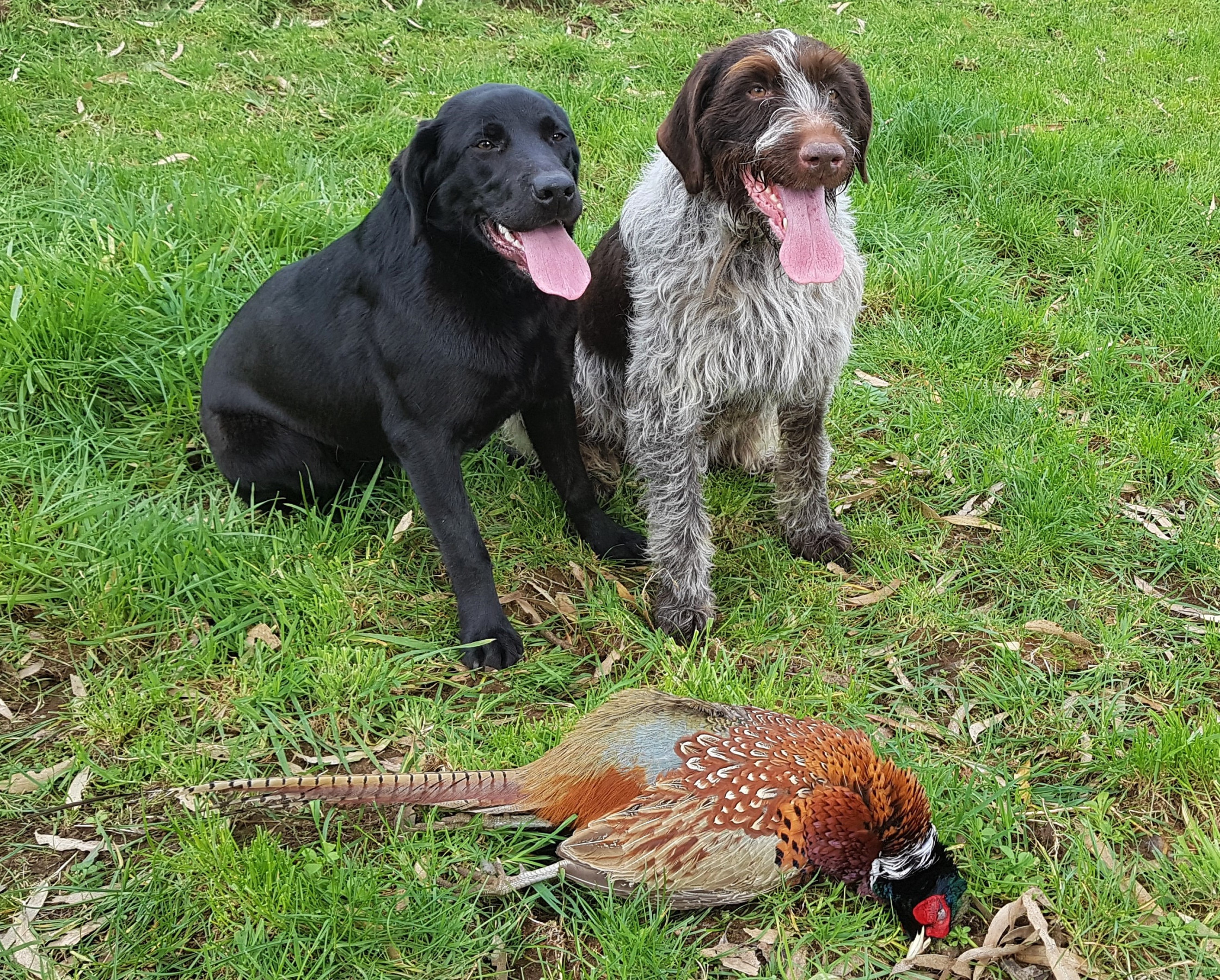
Happy dogs after a successful hunt (photo Curly McEwen)
Nukumaru Recreation Reserve - Permit Required, No Draw
You don’t need to enter a draw for Nukumaru, but you do need a valid permit from Fish & Game (which you can also contact us for). Once you have that:
- Contact the grazing leasee listed on your permit before you go hunting to ask for access. For Blocks 4 & 5 you must get permission directly from the leaseholder before entering these areas. This is a condition set by the Whanganui District Council.
Band Returns
Thanks to all who have sent through their band returns to date.
So far this season we’ve received information from 71 ducks banded in Taranaki.
If you harvest a banded bird, we encourage you to report it via the Fish & Game website.
In return, you’ll receive a summary of the bird’s history, including the year and approximate location it was banded, its age and sex at the time and how far it travelled between the banding and recovery site (you can keep the band, we just need the information on it!)
It’s always interesting to see the story behind your bird and by reporting it, you’re helping to protect the future of waterfowl hunting in New Zealand. Plus, every valid band report is automatically entered into the draw for prizes through Fish & Game’s Banding Together initiative.
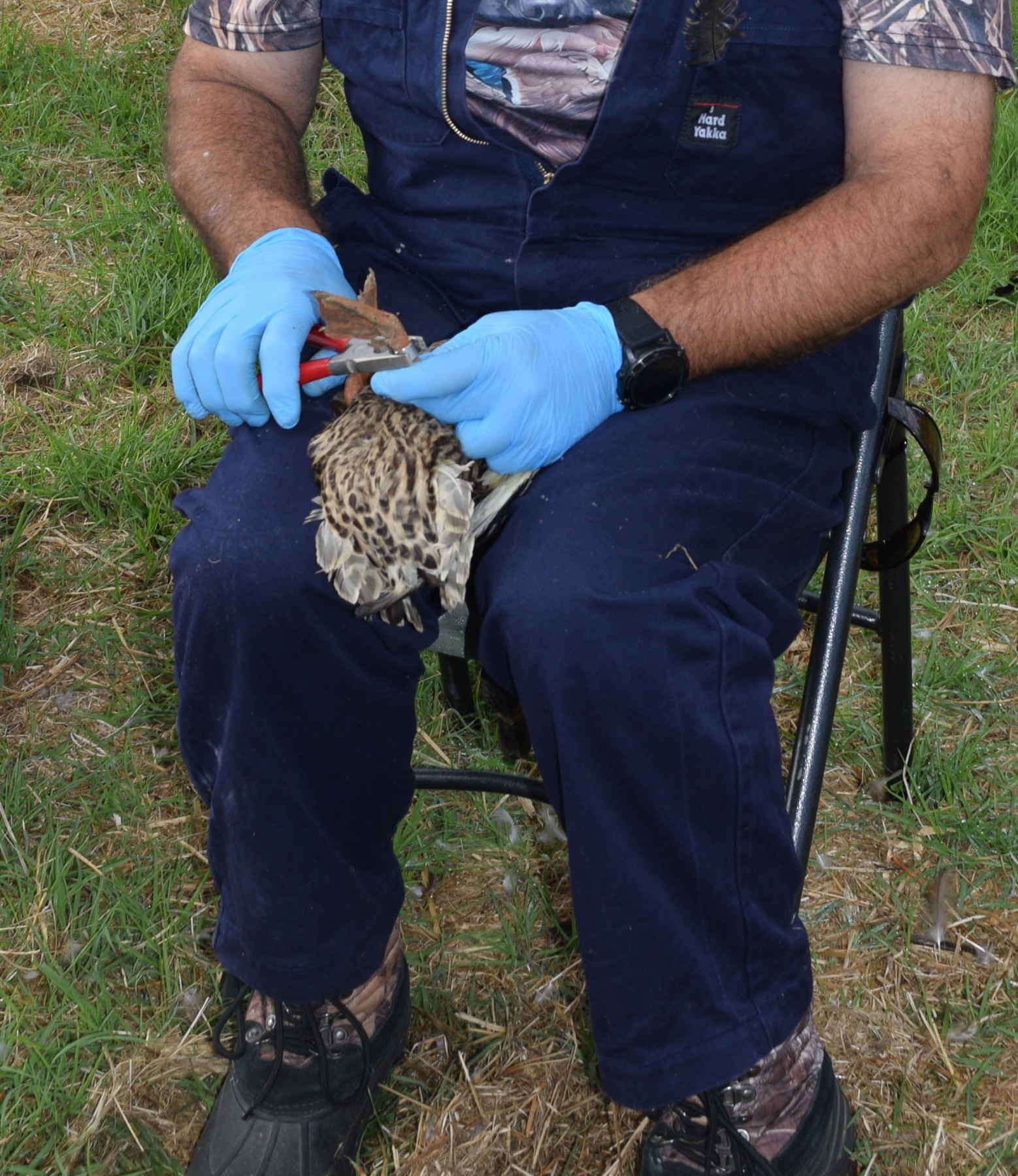
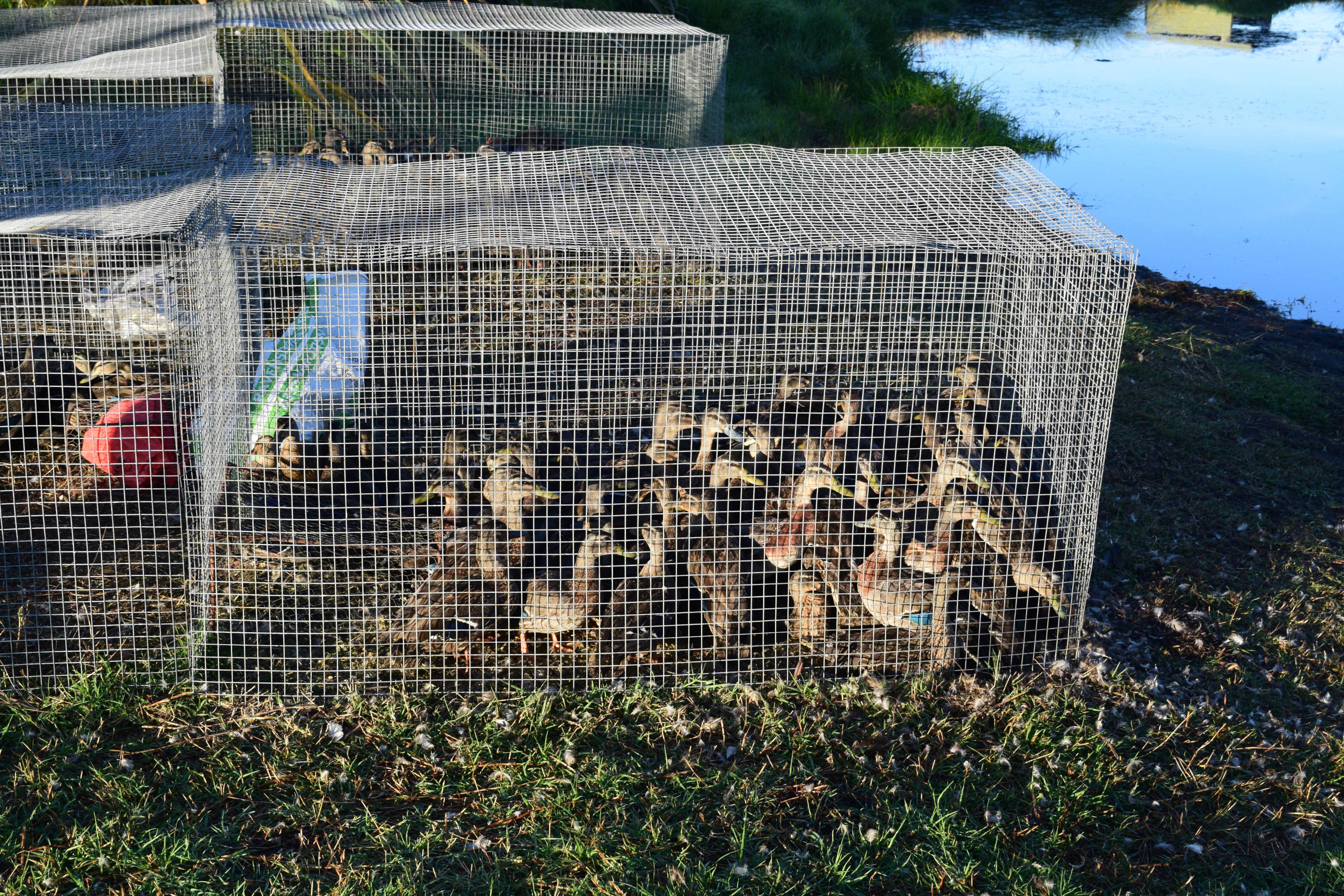
Banding and trapped ducks
Disclaimer:
The information presented in these news items is based on the context and regulations in place at the time of publication. Please note that some articles may include reference to laws and regulatory standards that have since changed. For the most current and accurate information please check our Fishing Licences & Regulations pages or our Hunting Licences & Regulations pages.