Californian Connection to Kiwi Waterfowling
- 14/05/2026
Written by Lawson Davey
In the mid to late 1990s, an approach was made to Fish & Game NZ by Tony Arnold who was a keen Northern California waterfowl hunter to start up a hunter exchange program with New Zealanders.
The Nelson-Marlborough Fish & Game regional representative on the council at the time, Fred Rouse, saw the opportunity and benefits and took it upon himself to host Californian hunters mainly around the Marlborough region. He and his wife, Alison, hosted and ran the exchange programme for quite a number of years, involving keen waterfowl hunters from the region as well as several Fish & Game councillors from other New Zealand regions.
Over the decades since, the exchange has provided valuable opportunities for both Kiwis and Californians to experience the waterfowling culture in another country, observe and learn different management techniques for game birds and habitats, and in some cases, make life-long connections in the wider duck hunting fraternity. For Kiwis, it's also provided valuable insight into how lucky we are in this country given how expensive waterfowl hunting can be in the US.
I first became aware and involved with the exchange in about 1999-2000 when I helped host and take Tony Arnold and Mat Keller (who later became the principal California contact and coordinator along with the help of Tony's brother, Peter Arnold) pheasant hunting in Nelson.
In mid-November to early December 2006, my wife and I were privileged to be given the opportunity to be part of the exchange, which involved hunting for both waterfowl and upland game, as well as fishing for striped bass and a day drift-boat fishing for rainbow trout on the Sacramento River. Incidentally, this was not far from the McCloud River tributary, which in the 1880s was the source of origin of New Zealand's rainbow trout population.
In 2010, I put my hand up to help co-ordinate the programme (along with a small group of keen game bird hunters from around the country) to ensure it continued when Fred Rouse decided he no longer was able to continue coordinating.
While it has no formal ties with Fish & Game, based on advice from Fred and the California contacts, keen waterfowlers who have provided a significant contribution to waterfowling in New Zealand, given back to the pursuit, assisted with the programme by hosting or who are likely to benefit from the exchange, are 'shoulder tapped' and offered an opportunity to take part. Consequently, a number of Fish & Game councillors and staff, along with a number of keen waterfowl hunters from around the country, have benefited over the years.
Since I took over helping co-ordinate, we have tried to expand the geographic area and people involved in New Zealand, however we are limited to some extent by the length of the trips and practicalities of getting around and supplying equipment. Most trips are for a period of 10-20 days, depending on the schedules of the people involved, their work commitments etc., and don't involve any exchange of money. Hosts generally provide accommodation, hunting opportunities, transport and most meals. Participants pay for their flights, game bird licences, ammunition and incidental expenses such as contributing to fuel or meals out.
Most participants coming to New Zealand spend time in the North Island (generally Auckland-Waikato and Eastern regions) depending on time available, before heading to the South Island where they start in Nelson-Marlborough and work their way down to North Canterbury, Central South Island and West Coast. Again, itineraries depend on the time available and involve hunting a mixture of private and public land 'Kiwi style'.
Participants generally spend a couple of days with each host before being passed on to the next. Given it is the trip of a lifetime for many of the visiting hunters, we also try to accommodate any other interests such as trout fishing or hunting for big game like Red or Fallow deer.
Paradise shelduck and black swan generally hold the most interest and fascination for the Californians given they are unique and aren't present back in the US. While pukeko are similar in some ways to their coot, many hunters, while initially skeptical, really enjoy the challenge of hunting them after being outsmarted by the birds.
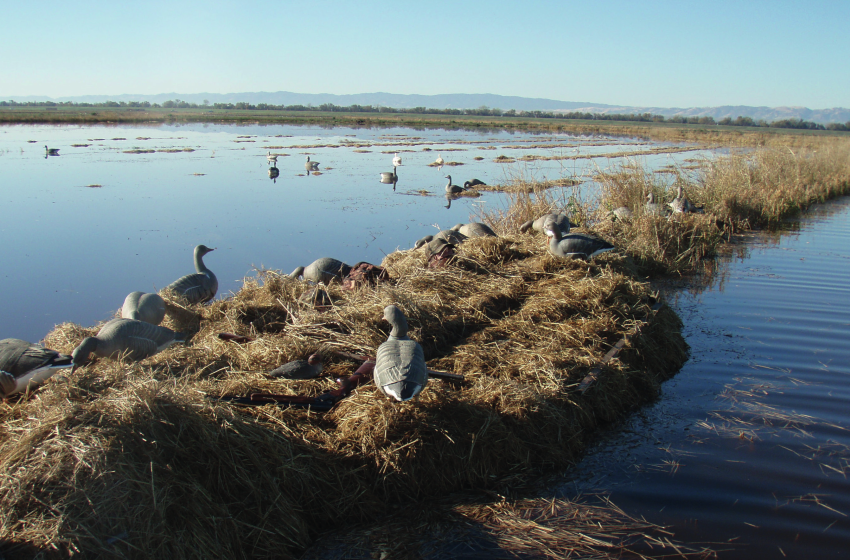
In turn, those who visit northern California are treated to great hospitality and exposed to waterfowl hunting at a whole new magnitude given the sheer numbers of birds present, the range of waterfowl able to be hunted, the scale of habitat management and how seriously they take their hunting.
Most of the hunting is centred around the Sacramento Valley involving a mixture of private land hunting on 'Duck Club' land, often involving shooting over rice fields, highly managed wetlands or on California Waterfowl Association-owned and managed properties. Occasionally they might get to experience some public land hunting, which is an experience, particularly for those of us in New Zealand used to being able to just rock up without having to go through a very intense ballot process.
In 2019, the exchange programme was passed over to staff at the California Waterfowl Association (CWA) to run, as Mat Keller and Pete Arnold were no longer 'spring chickens' and decided it was time to hand the reins to someone else. Incidentally, Peter was still hunting into his mid-90s and passed away in 2022 at 98 years of age. Unfortunately, Covid-19 put pay to the exchange for a couple of years, however, it is back up and running again, with the CWA coordinator having visited last year.
Tony, Peter, Fred (now all deceased) and Mat were instrumental in setting up the program in New Zealand and have left a legacy for waterfowl hunters from both New Zealand and northern California to experience waterfowl hunting in another country, enjoy the scenery, culture and camaraderie with like-minded individuals, most of whom wouldn't normally be able to afford or have the contacts to undertake such a trip. Long may it continue.
If you're interested in more information about the exchange programme, or might be prepared to host visiting hunters from California, please contact me at [email protected]
Disclaimer:
The information presented in these news items is based on the context and regulations in place at the time of publication. Please note that some articles may include reference to laws and regulatory standards that have since changed. For the most current and accurate information please check our Fishing Licences & Regulations pages or our Hunting Licences & Regulations pages.