How To Find Hunting Spots: Scouting and Door Knocking
- 13/05/2026
Written by Hamish Carnachan
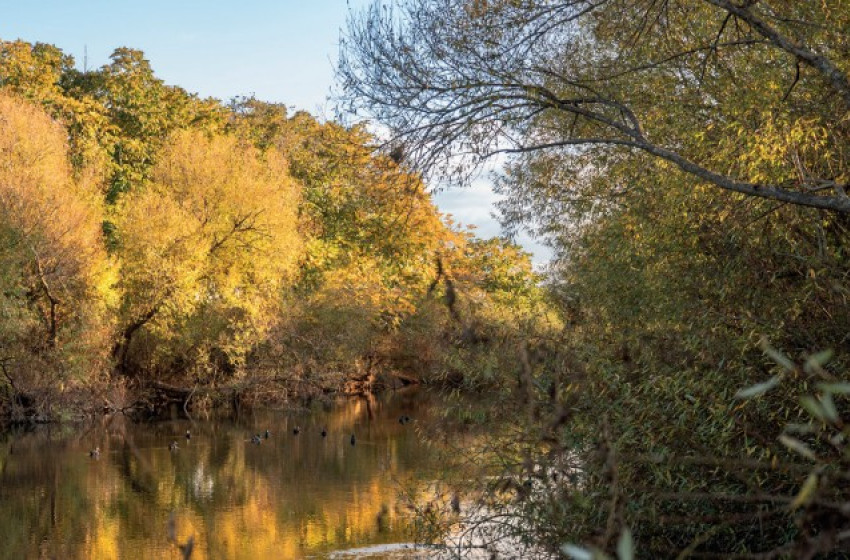
The duck hunting season, the ritual, the tradition, and a little slice of paradise in rural New Zealand – for thousands of Kiwi hunters, this is what it's all about.
But ask any seasoned waterfowler and they'll tell you the truth: good spots aren't stumbled upon. They're earned.
They come from maps pored over at night, from boots muddying fencelines at dawn, and – most of all – from the conversations with landowners that turn strangers into gate-openers and, over time, good mates.
Finding a productive duck hunting spot isn't luck. It's a craft. And like any craft, it begins with knowing the rules, showing respect, and doing the homework that is often overlooked by others.
Homework Comes First
Satellite imagery has become the hunting scout's superpower.
There was a time when finding ducks meant hours of driving country roads hoping to catch a glimpse of likely looking water. Today, the smartest hunters start at the kitchen table with a laptop or phone.
Google Earth becomes a goldmine. LINZ imagery, a private tutor. WAMS (Walking Access Mapping System), the key to a locked door.
Study satellite photos long enough and you learn to read patterns: where willows offer shade and cover, where rushes and raupo provide refuge, irrigation ponds that hold water – and therefore ducks – even during dry seasons when farm ponds are low.
But spotting a duck hunting honey hole is only step one. The real magic lies in reading the land around it.
A maize paddock nearby? That's a breakfast buffet. A shelter belt running east to west, a water race network, a stream leading to an open water body? Those are all potential flight lines. A willow-choked swamp on the fringe of a lake? That's where birds will pour in on last light, final approach, wings cupped, feet down. A wide-open riverbank or shingly gravel island? Prime loafing sites on sunny days.
Top hunters measure distances, mark parking spots and access approaches, note prevailing wind angles, identify where the sun rises and sets over likely water.
And then, inevitably, they go out to confirm what their research whispered: a slow drive by at dusk, counting silhouettes lifting off paddocks; rolling past a dam at midday, staying well back, binos out looking for loafing birds and fresh feathers; a moment standing still in the dark, listening for the unmistakable chatter of mallards settling for the night.
The Door-Knock Dance
All the scouting in the world won't matter if you can't earn permission.
For many hunters, the hardest part isn't the cold or the early wake-ups, it's pulling into a farm driveway, turning off the engine, and rehearsing the first line. Farmers understandably guard their land the way hunters guard their secrets, and a stranger with a camo jacket and big ask can trigger instant suspicion.
The successful hunter knows how to turn that around. They pick their timing.
The approach is made well before the season starts… months in advance. After all, it's likely that the first nine requests will be declined before success is struck. They expect to be turned down; they take it graciously, understand, and move on without being put off.
They never try to make contact at milking time, never during harvest, never when the sheep are yarded and the shearing shed's a hive of activity, never when adverse weather and critical stock movement make for stressful times on farm. They dress tidy. They walk up unhurried, introduce themselves with a genuine smile, and explain exactly what they hope for.
And then comes the part that eventually may win the "yes": they answer questions before they're asked. Where they'll park. How they'll keep the gates shut. What direction they'll shoot. How their dog behaves and how it's regularly dosed for sheep measles. How often they plan to come. How they'll handle biosecurity.
This is when prior homework pays off – understanding the lay of the land and what the landowner might require to feel comfortable. It might seem like admin, but it sends a message: I'm careful. I'm respectful. I'm prepared. I won't become a problem.
At the end of the day, clarity opens the door, not charm.
Holding on to a Good Thing
Permission isn't a trophy; it's a loan of trust. And trust can be lost faster than a mob of spooked heifers.
Hunters who keep their access year after year are the ones who treat the land as if they farm it themselves: quiet at dawn, careful with dogs, thoughtful with shot angles, and fanatical about leaving no trace.
If the neighbour's house is close, they give them a heads-up. If cows drift too near the pond, they pause shooting. If a gate is closed on arrival, it stays closed when they leave. It's simple. It's respectful.
A small gesture can also go a long way. A packet of biscuits, a loaf of fresh bread, a couple of dressed ducks (after Opening Weekend), a box of beer. At the very least, there should always be a follow-up text saying, 'thank you,' and letting the farmer know how you got on.
When Private Land isn't an Option
Not everyone starts with rural contacts. Many of the best hunters cut their teeth on Fish & Game administered wetlands or hunting areas, public land, forestry blocks with permits, and riverbeds. These spaces teach etiquette, responsibility, and how to share a pond without burning bridges.
A good reputation built on public land makes private permission conversations easier down the line.
If you're looking for a spot on public land, your first port of call should be your local Fish & Game office. They'll be able to tell you if they manage any land for hunting or hunting access, whether there are ballots available to secure stands, and rules for shooting these spots.
The Walking Access Commissions mapping system – www.wams.org.nz – is a great resource for self-starters. As well as providing very clear satellite imagery overlays, you can select layers to identify land boundaries and parcels – if they are a public, it will identify such.
Just be aware, though, that not all land classified as 'public' means it can be hunted. You'll still need to talk to local authorities (councils) and it always pays to alert nearby landowners of your intentions to hunt so no-one gets a surprise. Often, it's a wise idea to let the police know too.
There are some fantastic opportunities to find great waterfowl hunting on public land in New Zealand. However, it requires some phoning or emailing around to make sure you're in the clear, along with common sense and respect for other people that may be using the space, or close by. Safety first. Always.
Paradise Earned
Sometimes you'll be told 'no'. Sometimes you'll be ignored. Sometimes you'll find the perfect pond only to learn someone else has hunted it for the past 20 years. That's the process. That's the culture.
But keep at it, and one day a farmer will nod and say, "Yeah, alright then. Go for it."
Disclaimer:
The information presented in these news items is based on the context and regulations in place at the time of publication. Please note that some articles may include reference to laws and regulatory standards that have since changed. For the most current and accurate information please check our Fishing Licences & Regulations pages or our Hunting Licences & Regulations pages.