Upland Opportunities: Give it a Shot This Season
- 13/05/2026
Written by Craig Deal
With their striking plumage, cunning tactics and ability to erupt out of cover in spectacular fashion, nothing gets the heart racing like the challenge of hunting upland game. New Zealand boasts a good variety of upland game bird and most regions have publicly accessible areas where hunters can pursue this exciting pursuit.
Ringneck pheasant (males only) and California quail are the two main species of upland birds to hunt, with brown quail (Auckland/Waikato and Northland) and chukar (South Island regions except West Coast and Southland) available for those hunters seeking a less common quarry.
Six Reasons To Try Upland Hunting This Season
- Increase the value you get from your licence – upland seasons in most regions run until the end of August.
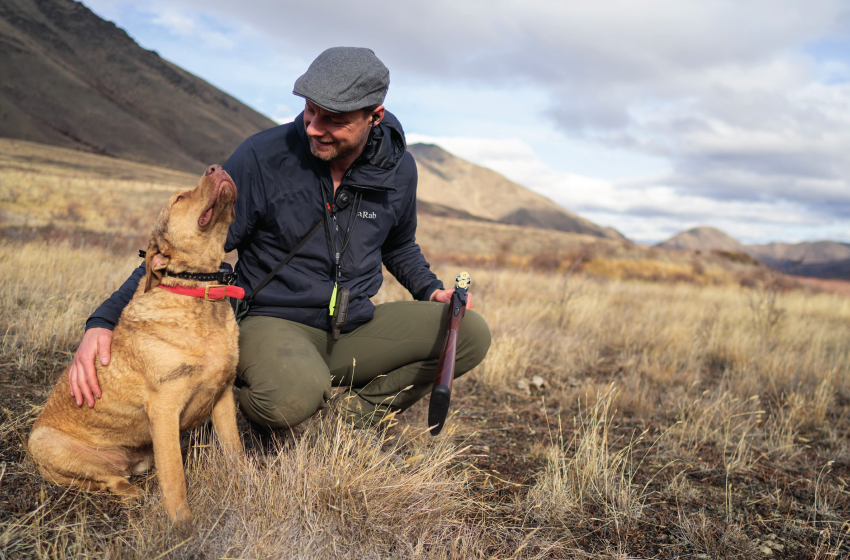
- Upland game hunting is a great way to develop the relationship with your gun dog. Gun dog breeds absolutely love fossicking for upland birds and you get to see them at their best doing what they were bred for.
- It's a great way to keep fit and busy through the drudgery of the winter months. By the time you hang up your gun at the end of August it won't be long until the trout season opens.
- The hours are very favourable. Between 8am to noon, and 2pm to 5pm are the best times to be out. Work it in with a duck hunt; spend the afternoon upland hunting then head to your evening duck hunting spot as the sun sets.
- Upland game hunting takes very little preparation. Just pack your lunch, water bottle, gun belt and permit, load the dog in and head off.
- Upland game birds make delicious eating. Have a look in the Fish & Game cookbook or at our recipes online for some great eats. For a simple meal, take the breasts off a pheasant and pound them flat with the back of a heavy knife before crumbing to make schnitzels. Quick, easy, delicious.
Now that you've decided to try some upland game bird hunting this season, here are some tips to help you get started.
Find Somewhere to Hunt
The best place to start would be to call your local Fish & Game office and see what is available. Many regions have negotiated hunter access to plantation forestry for hunters. Fish & Game owned or managed wetlands can also hold pheasant populations and could be worth a look. If there are DOC reserves in a region that can be hunted, the Fish & Game staff will be able to tell you which ones you can get a permit for. If you have access to private farmland then this will be well worth investigating too.
The Walking Access Mapping System (WAMS) is invaluable for scoping out public hunting areas, particularly riverbed spots. Open the 'Outdoor Access' map, change the basemap to 'Imagery (with labels)'. In the 'Layers' tab, ensure that 'Public Access Areas' and 'Property' are selected, then start your reconnaissance. On WAMS, reserve areas are highlighted in green. You will need a DOC permit to hunt reserves if they are available for hunting. If you zoom in the property boundaries will become visible. You can click on a property and see what type of classification it is.
Hydro parcels are often overlaid on waterways and are generally publicly accessible. There can be buildings, businesses and farming within hydro parcels as well so take note of these from the satellite imagery and avoid them when hunting. A visit before hunting is advised to check for suitability – you don't want to turn up somewhere with a loaded gun on Saturday morning and find that your hunting area is a popular mountain biking track or dog walking area. Checking in with your local Fish & Game office is advisable before hunting somewhere new.
Find Suitable Habitat
Reconnaissance is invaluable when upland bird hunting and nothing beats getting out into the places you hunt and walking around. If you are allowed to, walk your dog in these areas in the off-season and note the sort of habitat that you find birds in. Get there early morning in spring and listen for pheasant crows or quail calls to see where they are spending their time. Then widen the search and look for areas of similar terrain and vegetation type. When you return in hunting season you can then spend most of your time in known hot spots.
When looking for good habitat, the ideal spots will vary from area to area but there are some general principles that apply everywhere. Upland game birds usually roost in trees and forage on the ground. They are vulnerable to predators on the ground, so they like to forage in broken cover where possible, or at the very least near an area of tight cover within range of a short flight.
Edges and transitions are high percentage areas – places where the cover type changes such as the boundary of long grass and willows with the edge of cropping, track edges, or the edge of riparian vegetation and pasture. Sticking around edges allows easier walking and better field of view while the dog is able to work the edges and push into cover after birds.
- Pine forestry
Inkweed, inkweed, inkweed. Use the forestry maps to find where the cut-over and new trees are. Inkweed and other food plants flourish in the wake of logging disturbance. Once the trees get to about four years old they close out the inkweed and become too tight for ground foraging birds. You can tell which inkweed bushes are ripe – the plants have a red hue that can be seen at distance. Target these areas, especially where there is heavy cover such as remnant stands of native bush or larger pine trees adjacent. Just walking the road and track edges where lotus grass and other weeds grow is also worthwhile. Quail can be found throughout the pine blocks in trees of any age, here they are usually on or near tracks and road edges during the day.
- Dunes
Find grassy areas in amongst the dune vegetation, especially around manuka or gorse thickets. Patches of lupin should also be worked. Birds will roost on the ground in bracken if good trees are not available so search these early or late in the day.
- Farmland
Rough areas of farmland such as run off blocks with longer grass and patches of cover like gorse, manuka and totara are good for pheasant. In areas of fertile pasture, hunt the edges of cover such as hedgerows, tree-lined streams and areas of wetland and riparian planting. Crops are a great place to search if they are in, and if the farmer is feeding maize silage keep an eye on where it gets applied as pheasants like to dine on it.
- Scrubland
This is where quail are to be found in the South Island. Target sheltered gullies with open areas amongst briar, broom, boxthorn and matagouri cover. Scrubby areas in the North Island are also good for both pheasant and quail. Hunt the face that gets the sun at each end of the day.
- Riverbeds
Frequent those areas with a mix of scrubby cover, scattered trees and open areas where birds can feed without getting too far from cover. Areas of scrub and tighter cover that border productive land such as pasture, orchards or cropping will be a great place to start looking. Food sources such as lupin and buddleia are also areas to target.
Tactics
Hunter survey data shows that upland game bird hunting success correlates closely with effort i.e., the more time you spend hunting the more successful you will be. That being said, there are some things you can do to put the odds in your favour and increase your chances of being successful.
Target the best times of day (outlined above). This is when birds are most active. If you find an area that you think looks like it should hold birds but doesn't produce, come back at the other end of the day next time. Some areas perform better in either morning or afternoon.
If you have done your reconnaissance then approach the areas that you know hold birds from downwind, quietly and unseen. Pheasants, in particular, will punish a sloppy approach and will bolt or fly when they detect you outside gun range. Get on top of them before they know it and they are more likely to sit tight for the dog to flush within gun range.
If you know or find an idea where the birds are likely to feed, try to get between them and their escape cover. A disturbed pheasant will often run to the edge of tight cover and flush into it unseen, leaving the hunter frustrated. If you can cut them off you can force them to make mistakes.
Your dog is almost as important as your gun in upland hunting and this type of work can be very tiring for them. Always try to work into the wind to give them the best chance of detecting birds. Make sure they get breaks and lots of opportunity to drink water. They will dehydrate very quickly when working hard in dry country.
Equipment
One of the great things about upland hunting is that the equipment required is very basic and not a lot of preparation is required. An ammunition belt, a pair of good boots and a daybag containing snacks, water, a permit (if required) and a PLB is enough to get started.
Use a pack with the thinnest straps possible so that they don't affect your gun mount. The pikau style with thin web straps are great for this. A shotgun in 12 or 20 gauge is ideal. The .28 gauge and .410 bore can be okay but are more suited to highly-skilled shooters. Skeet or improved cylinder chokes are recommended to widen the pattern and give a better chance of a hit.
Pattern density is achieved by using smaller shot – upland birds are lightly feathered and don't need big pellets to bring them down. Lead #6 is fine for pheasant and #7/8/9 will do for quail. Trap loads are an economical ammunition for quail. If you have a tried-and-tested load/choke combination that you use for ducks and don't want to change, then that is fine too, just check your permit if hunting in pine forestry as some do not allow steel shot to be used.
Mindset
When upland hunting you are playing the probabilities – the more hunting you do, the more likely you are to be successful. Be prepared to come up short sometimes too, many birds flushed will not even offer you a shot. That's just the way it is hunting fast crafty birds in tricky country.
Don't be disheartened when you don't quite get the gun up in time, or when you miss a shot, learn from the experience. Note the type of habitat the bird was in, and the time of day, and use this to your advantage hunting similar areas in future. Every encounter provides information that you can use to improve your future hunting.
Upland game bird hunting is not a big bag pursuit, but it can be extremely rewarding. Every bird harvested is a real trophy and a testament to your skill and perseverance as a hunter. If the weather is too fine for ducks this season, give upland hunting a go... you might find a new passion.
Disclaimer:
The information presented in these news items is based on the context and regulations in place at the time of publication. Please note that some articles may include reference to laws and regulatory standards that have since changed. For the most current and accurate information please check our Fishing Licences & Regulations pages or our Hunting Licences & Regulations pages.