Welcome the Next Generation: Advice on Taking Kids Game Bird hunting
- 13/05/2026
Written by Anto Hall
While I was lucky enough to be introduced to the outdoors at an early age by my father, it was heavily focused on big game hunting. It was not until I was old enough to get my own gun licence at 16 that I began my waterfowling journey.
Growing up I remember looking through magazines and being amazed at the variety of gear, along with the planning and preparation that could be undertaken before the hunt chasing waterfowl.
My first opportunity to hunt waterfowl was through a friend of my father, Evan Brown, who not only sold me my first shotgun, but also took me into the mighty Molesworth on a few occasions targeting Canada geese.
These opportunities not only provided a chance to learn but gave me an experience of hunting birds which would ultimately get me hooked on the pursuit.
Additional to the amazing goose hunting I had early on, at the time I was also busy gathering gear and trying to find ducks to hunt.
It was generally a challenging start. I didn't really know what to do, but I was also based in a rather challenging part of the country for a young and eager waterfowler. A move to Canterbury made things easier, and eventually I continued further south to Queenstown, where I have been based for the last 20 years. While Queenstown itself isn't exactly a duck Mecca, I'm fortunate in that within an hour or two drive from home there are some productive spots on both public and private land.
Despite the early challenges learning the ropes, I loved every minute of it and I continue to learn today. I'm now shifting my focus from my own hunting to passing on the tradition, culture and heritage to my own children.
My seven-year-old son, Ash, is super keen and Lockie, who is only three, is dying to get out with me at every opportunity. Now and then Lockie gets lucky, but often it is just Ash and I setting off on adventures. Over the last few years, we've had some great duck hunting and it is something he truly enjoys, even on the cold winter days… there's always a smile on his face.
This article outlines what has worked well for me managing kids while hunting, ensuring that every hunt is fun and memorable.
Planning
Planning is the strategic, methodical process of defining goals and outlining steps to achieve them. When adding kids into the mix of any outdoors pursuit, getting this step right makes all the difference to achieve a successful and fun time out.
When taking the kids out, the focus of the hunt changes from being about securing ducks, to creating fun, while at the same time putting us in a position to harvest a couple of birds. Success has a new definition – the priority is having fun, keeping things interesting and, if possible, bagging a duck.
Ash is yet to join me for an Opening Weekend. At this stage the multi-day nature of Opening has meant I have kept my focus with him on short hunts during the season, generally when the weather is pretty good. While wet and wild conditions are obviously the best for hunting waterfowl, such days bring with challenges that can be eliminated by targeting better weather when with the kids.
A morning or evening seems to work well, concentrating on the preparation prior to the hunt, the journey there and the trip home.
Preparation
Preparation is the actionable, tactical process of organising resources and setting up conditions to execute that plan, often accounting for potential, unforeseen challenges.
Essentially, planning is designing the roadmap, while preparation is packing the car and checking the engine.
Preparation is fun – kids love to pack gear. It is also an opportunity to collect equipment and pass on items for them to make their own. Kids love having their own bag with their own supplies.
Key Items in Their Pack:
- Their own clothing – They need what you have, but they need to be warm. Include a full change of clothes. Kids will ultimately end up wet. If your young ones get keen, waders are worthwhile. These help to keep them warm and dry and add another layer of protection. They also act like a pair of overalls that can be removed after they have been crawling around in the mud.
- Earmuffs – These are a must. Kids also seem very happy wearing them all day long. I have found that there is no need to purchase specific kids' ones, there is plenty of adjustment in adult earmuffs, so consider investing once in a better-quality set, ideally electronic. There are heaps out there and these days you can get them at low cost.
- Duck caller – This is their chance to learn and be involved. I have found that many ducks simply do not care what calling sounds like, particularly early season, so let them go for it.
- Food and drink – It is a great idea for the kids to each have their own wee snack-pack that they can get into at their own leisure, allowing them to graze while you are busy doing anything required during the hunt.
The Journey
Stopping off at your local fuel station and grabbing a coffee in the early hours is always an enjoyable part of our process, and it is no different for the littlies. Invite them inside with you, let them order a hot chocolate and a pie.
Getting home is like getting there, however, it usually involves stopping for an ice-cream, lunch or dinner. This stop also provides time to chat about the events of the day. Even if the hunt doesn't go well, they'll love the time talking with their mum or dad about the day over some treats. I always ask Ash what he loves about duck hunting, and these small things always make it to the top of his list. My response is simple: "It's all part of it."
In The Blind
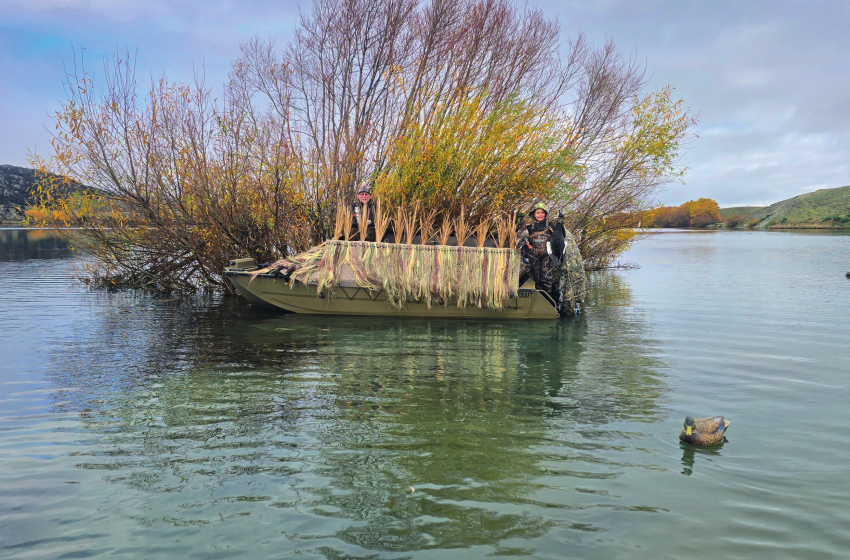
Once in the blind and set up, you are now hunting. As we know with this pursuit, there can be plenty of waiting. When possible, talk about what is happening around you and why it is happening. Point out everything you see and take a keen interest in the variety of other birds around, including the protected ones, and explain what makes them special. Things we take for granted is all new to kids.
Spotting ducks is a great game to play; in fact, it is amazing what the kids will see before us. When a bird begins to look interested, this is when it gets fun. Communicate with the kids about what is happening.
When it is time to shoot, work through your usual process. However, if you manage to get one down, take time out to ensure the kids are involved, whether that is them sending off the dog or undertaking the retrieval themselves.
As already stated above, no matter what, expect the kids to somehow get wet. I am not sure why, but it takes many years for the concept of staying dry to make any sense. I have found that the investment in a pair of waders has really paid dividends and has assisted Ash being much more involved and helpful in any of the processes associated with waterfowl hunting. Have robust conversations about water safety and make sure you're keeping an eye on them.
Once the retrieval is complete, treasure the duck you have in hand. Do not be concerned about numbers, one is something great, anything more is a bonus. Take some photos and have some high fives. Celebrate the moment.
Don't miss. Well, do your best to hit the birds that present opportunity. While your mates may give you grief for a miss, your kids will hold you to a whole new level of accountability. They will also remind you many times about your efforts if not successful.
Call the hunt early and ideally on a high note. While we all know that as soon as we decide it is time to pull in the decoys, there will be a mallard drake diving in, don't let this potential future opportunity draw the day out. Pack up takes longer with kids, especially policing up all their stuff which they invariably leave all over the place, so factor in this time.
Allocate a job to the kids and acknowledge how much help they are being. A key job for Ash is generally winding up decoy strings and putting them in the bags.
As the kids get older and can begin to shoot themselves remember if you are supervising a young, unlicenced hunter, you need to be within arms' reach of the firearm at all times – not also shooting. Downtime in the maimai is a great opportunity to talk about firearms safety in general too.
Food and Drink
The simplest thing to get right is food and drink. What we love is usually what they do. As touched on earlier, pack them their own snack pack, but use food and drink as key opportunities to fill in time between ducks.
Bacon and eggs are always good but can require a bit more organisation. An easy option is hot-dogs. Either put them in a hot thermos that morning or boil in a camp cooker, add a little cheese and tomato sauce and the kids will be happy.
If making a coffee, make them a hot chocolate – the kids are part of the team.
Expectations
As already touched on, resetting expectations is key to success. Talk through with the kids in advance about the hunt and what to expect. Discuss the plan. This gives them time to work through what could likely take place.
For kids, it is generally all new to them, you are not trying to exceed any expectations, your expectations are not theirs. In general, they just want to have fun, eat tasty snacks and all going well, get to take a bird or two home to show mum.
Future Season
We all talk with our mates about the future plans we have, whether looking at new locations to hunt or building additions to blinds. This is a great opportunity to involve the young ones too. Putting work into blind building etc., with the kids prior to the season kicking off gets them invested.
Celebrating Success
Make sure you reflect on the hunt. This can be on the drive home, when stopped for lunch or when you get home. Showing the photos to mum is always a highlight for them. Processing the birds also becomes a fun activity, inspecting what they have been eating. Finally, cooking duck nuggets for dinner is something they are proud of.
Key Take Aways
Reset expectations, focus on having fun, good food and staying warm. Involve the kids in the planning and preparation of the hunt. If lucky enough to get a few ducks, feel comfortable to wind things up early and head for home. And don't forget to stop for an ice-cream or hot chips.
Disclaimer:
The information presented in these news items is based on the context and regulations in place at the time of publication. Please note that some articles may include reference to laws and regulatory standards that have since changed. For the most current and accurate information please check our Fishing Licences & Regulations pages or our Hunting Licences & Regulations pages.