2026 Elections and our fresh water
- 1/09/2026
This election and what it means for our rivers, lakes and wetlands
Kia ora,
With the 2026 general election approaching, we want to share where Fish & Game stands and what we are asking of everyone seeking your vote.
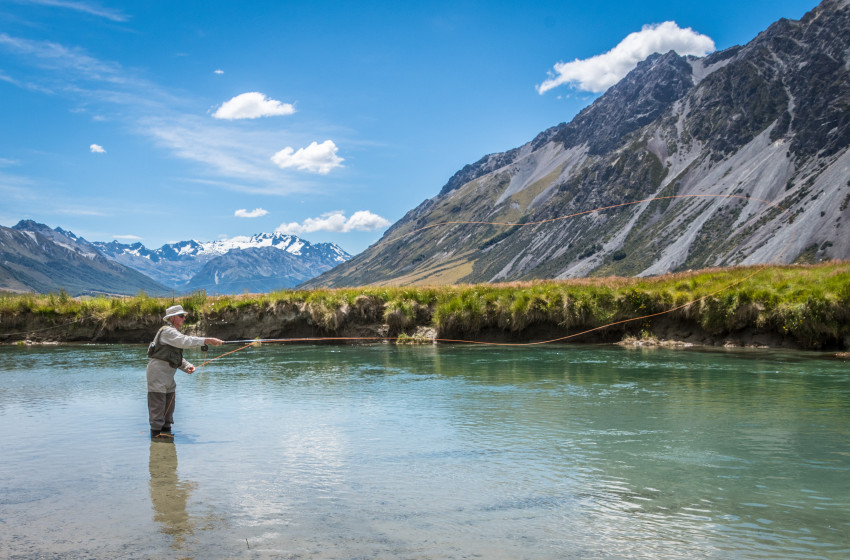
As one of New Zealand’s 175,000 licensed anglers and game bird hunters, you are part of a community the size of Hamilton, that means your views carry weight.
Ours is a community of everyday New Zealanders from rural communities, towns and cities who love spending time in our wild places, value the quality of freshwater, rivers, lakes and wetlands, care about healthy habitats, and take pride in putting sustainable wild kai on the table.
Our latest annual licence holder survey clearly tells us what is important to you.
When we asked what you expect of a government, you told us:
- Almost 90 per cent said it is important that a government protects public access to rivers, lakes and wetlands for fishing and game bird hunting
- Around 87 per cent want minimum freshwater standards that protect trout, salmon and game bird habitat and the same proportion want government to continue recognising and protecting trout and salmon habitat
- More than eight in ten people want no further loss of wetlands and want anglers’ and game bird hunters’ interests recognised when laws affecting our species are reviewed
You were just as clear about the work you want us to do on your behalf.
- Some 93 per cent of you supported working collaboratively with landowners and community groups to protect fish and bird habitat
- Almost nine in ten backed us in persuading lawmakers to set freshwater health outcomes that protect that habitat. That mandate is what we are bringing to every political party this election
What we're asking parties to commit to
We have set out what we would like to see from political parties:
- Recognise fishing and game bird hunting in law, so trout, salmon and game birds are provided for alongside indigenous species
- Protecting public access to the outdoors is the number one issue for licence holders. Fish & Game maintains more than 3,000 access points nationwide and we want access kept front of mind in resource management reform, along with an end to the quiet loss of access through paper road closures and land sales
- Protect our rivers and lakes, with clear bottom lines for water quality and quantity, continued protection for trout and salmon habitat and Water Conservation Order processes that work. Almost half of New Zealand’s lakes are in poor health and nearly a fifth of rivers are affected by nutrient pollution
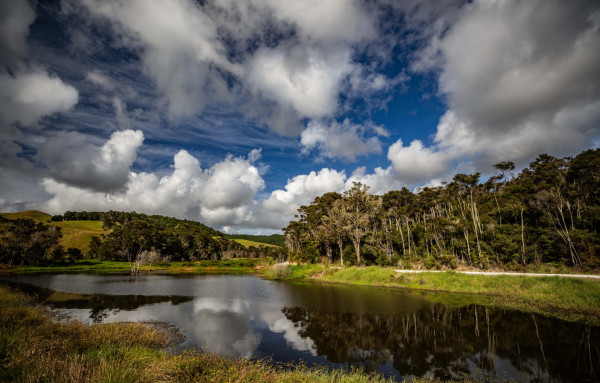
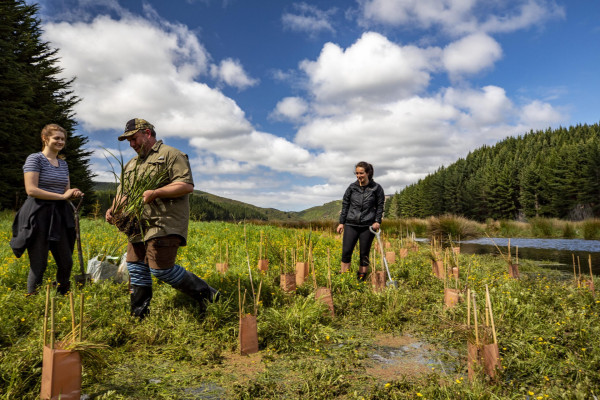
- Protect our wetlands, of which only around 10 per cent remain. Anglers and game bird hunters have invested millions of dollars restoring wetlands on private land and we want restoration made easier and further loss halted
The resource management reforms
The Natural Environment Bill and Planning Bill are working their way through Parliament now, and they matter greatly to fishing and game bird hunting.
We are asking for a small number of practical changes before the Bills pass their final readings:
- Trout and salmon - Fish & Game’s main concern is that the Natural Environment Bill does not clearly recognise trout, salmon, game birds, their habitats, or angling and hunting values. The Bill focuses on environmental outcomes and limits on indigenous species and what this means is regional and local councils won't be able to set environmental limits that protect trout and salmon or game bird habitat. We'd like to see trout and salmon included
- Public access - The Bills protect existing access but do little to improve it and they weaken the main tool that secures new access. We'd like the legislation to provide for access to be enhanced, not just maintained and esplanade reserves kept as a standard part of subdivision, outside the compensation framework, so new access is secured when land is subdivided. Once that's missed at subdivision, it's gone for good
- Fish & Game’s management plans - Our Sports Fish and Game Management Plans reflect decades of monitoring and regional expertise and we would like new planning documents to take them into account
- Wildlife permits - The Bills propose that regional councils be able to issue wildlife permits. We would like decisions about culling the species we manage to be informed by Fish & Game’s knowledge and monitoring
The select committee has already made some welcome improvements, including clarifying that wetlands sit within freshwater ecosystems, retaining Water Conservation Orders and restoring the more workable concept of mitigating adverse effects. We are grateful for those changes and are asking for a few more sensible improvements to finish the job
We are not asking for a rewrite. We are asking for sensible, achievable changes that would give anglers and game bird hunters certainty and help deliver on what these reforms promise.
How you can help
The single most useful thing you can do is talk to the candidates standing in your electorate. They will be out and about over the coming months at public meetings, community events and on the doorstep.
If you get the chance, let them know that quality freshwater and healthy habitats, public access and getting outdoors matter to you and ask where they stand.
When candidates hear directly from people who fish and hunt in their own communities, it makes a real difference.
Thank you for being part of this. Together, 175,000 strong, we can make sure the things we value are heard this election.
Be ready for bird flu
H5 bird flu (H5N1 avian influenza clade 2.3.4.4b) has been detected in wild birds in New Zealand.
It's still safe to fish and hunt and there have been no further detections since 17 July. H5 bird flu is a low health risk to the public, but it's a good idea to form some simple habits now to protect wildlife and limit the spread of the virus.
Keep your distance
Stay away from sick or dead wildlife and keep pets and children away too. Don't touch or move birds and don't let your dog pick up birds that are sick or already dead.
Keep clean
Clean your gear, clothing and footwear when moving between sites. Wash your hands regularly with soap and running water, or use an alcohol-based hand rub, especially before and after contact with animals and their environments.
Know when to report
You're valuable eyes on the ground. Signs of bird flu include the sudden death of multiple birds in a group, drowsiness, lack of coordination and an inability to fly. If you see three or more sick or dead wild birds, marine mammals or other wildlife in a group, report it to the exotic pest and disease hotline on 0800 80 99 66 or at report.mpi.govt.nz. Don't handle or move wildlife.
For more information, visit mpi.govt.nz/bird-flu.
Disclaimer:
The information presented in these news items is based on the context and regulations in place at the time of publication. Please note that some articles may include reference to laws and regulatory standards that have since changed. For the most current and accurate information please check our Fishing Licences & Regulations pages or our Hunting Licences & Regulations pages.