Hunters’ Funds Help Create More Than 12ha Of Wetlands Across The Lower North Island
- 3/09/2026
- Maggie Tait
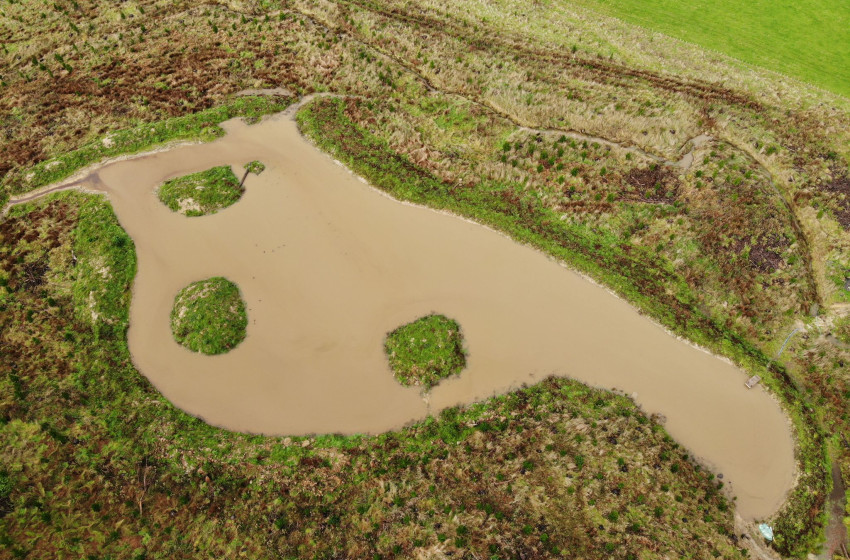
Wellington and Taranaki Fish & Game have secured $36,000 in Game Bird Habitat Trust funding to help landowners across the regions create more than 12 hectares of valuable wetland habitat.
Five wetland projects in the Wellington/Taranaki Fish & Game regions have been awarded funding this year, supporting landowners in Wairarapa, Manawatū and Taranaki to create and enhance wetland environments on their properties.
The successful projects include:
- $16,000 towards a 4.3ha wetland in lower Wairarapa.
- $11,000 for two Wairarapa projects covering a combined 1.5ha.
- $5000 for a 2.2ha project in eastern Wairarapa.
- $4000 for two projects in Manawatū covering just under 1ha.
- $5000 for a 0.6ha wetland near Stratford.
- $3900 for a project in Marton covering 2.6ha.
Together, the projects will create or enhance more than 12ha of wetland habitat, demonstrating how funding generated through game bird hunting is being reinvested into conservation.
The funding comes through the NZ Game Bird Habitat Trust, which supports the creation, restoration and protection of habitat for game birds and other wetland wildlife. The Trust is funded through the Game Bird Habitat Stamp programme, with money generated by the sale of game bird hunting licences helping deliver practical, on-the-ground wetland conservation projects throughout the country.
Wellington/Taranaki Fish & Game manager Phil Teal says staff enjoy working closely with farmers and other landowners to identify opportunities for wetland creation and restoration.
“This can involve turning marginal or difficult-to-farm areas into valuable environmental assets that benefit both the property and the wider landscape.
“Hunters are not just users of the environment – they are also helping to fund its protection and restoration,” he says.
“These projects are a great example of Fish & Game, landowners and hunters working together to create lasting environmental benefits.”
Caption: This wetland in Manawatu was part funded by a grant from the Game Bird Habitat Trust last year_Photo - Josh Murray
Wetlands are among New Zealand’s most threatened environments. While these projects will provide important habitat for game birds, the benefits extend well beyond hunting.
Wetlands provide food, shelter and breeding habitat for a wide range of native birds, fish, insects and other wildlife. Wetland plants and shallow-water environments support diverse ecosystems, while wetlands can also help improve water quality by filtering sediment and nutrients before reaching rivers and streams.
Wetlands can also store water, slow the movement of floodwaters and add biodiversity and resilience to working rural landscapes.
For Fish & Game and landowners, creating wetlands on marginal areas of rural properties is a win-win.
“Creating habitat for game birds also creates opportunities for native flora and fauna,” Mr Teal says. “A well-designed wetland can become a thriving ecosystem, benefiting wildlife, improving the surrounding environment and becoming a valuable aesthetic feature of a working farm.”
The projects also demonstrate that wetlands do not need to be vast to make a difference. While the largest successful project covers 4.3ha, smaller wetlands can provide valuable habitat and, collectively, contribute to healthier and more diverse landscapes and waterways.
For the landowners involved, the funding will help turn suitable areas of their properties into living ecosystems that will continue to provide benefits for years to come.
“This is a reminder that every game bird licence contributes to more than the opportunity to hunt – it helps support the protection and creation of habitat for waterfowl and other wildlife across New Zealand,” says Mr Teal.
Disclaimer:
The information presented in these news items is based on the context and regulations in place at the time of publication. Please note that some articles may include reference to laws and regulatory standards that have since changed. For the most current and accurate information please check our Fishing Licences & Regulations pages or our Hunting Licences & Regulations pages.