Both Barrels July 2026
- F&G NZ
- 27/07/2026
Final opportunities and hunting highlights
The 2026 game bird season is drawing to a close, but there is still plenty to enjoy in the field.
Across New Zealand, hunters are making the most of late-season conditions, pursuing remaining species, sharing memorable hunts and preparing for the seasons ahead. Explore the latest regional updates above for local conditions, hunting information and important reminders.
Make the most of the final waterfowl hunts
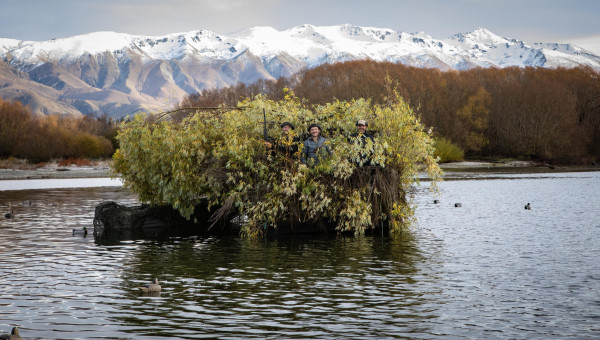
A group of hunters in their floating maimai on Lake Opuha in Central South Island. Credit Richie Cosgrove.
For many hunters, the final days of the duck season are all about one more trip into the field with mates and a dog before the season wraps up.
In Southland, late-season mallards have been reported in excellent condition, with closing weekend providing a great opportunity to take advantage of established bird movements. North Canterbury hunters are also finding opportunities following recent wet weather, with new water areas creating fresh habitat for ducks.
Across the country, changing conditions, water levels and bird behaviour continue to influence success. Late-season tactics, scouting and adapting your approach can make all the difference.
Plenty of hunting remains after duck season
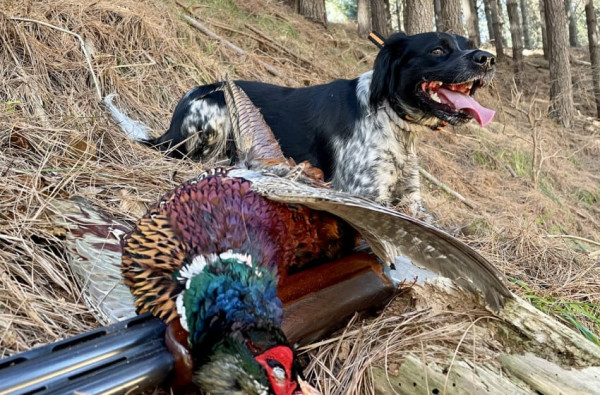
Scott Taylor's trusty companion showing the rewards of hunting upland game birds in Auckland/Waikato region.
While the main waterfowl season has finished in some regions, there are still plenty of opportunities to get outdoors and pursue game birds through August.
Pheasant, quail, chukar and pūkeko offer a rewarding change of pace, with late-season hunting providing the chance to explore new areas, spend time in the field with your dog, and enjoy a different style of challenge.
Across the country, hunters are making the most of these remaining opportunities. In Auckland/Waikato, forest access continues to provide quality upland hunting, while Northland hunters are benefiting from strong pheasant numbers and extensive forestry areas. In the Central South Island and Otago, chukar and quail opportunities remain available across riverbeds, high country and private land where permission has been arranged. Taranaki and Wellington hunters are also making the most of pheasant, quail and pūkeko opportunities through August.
Celebrating hunters, dogs and the hunting community
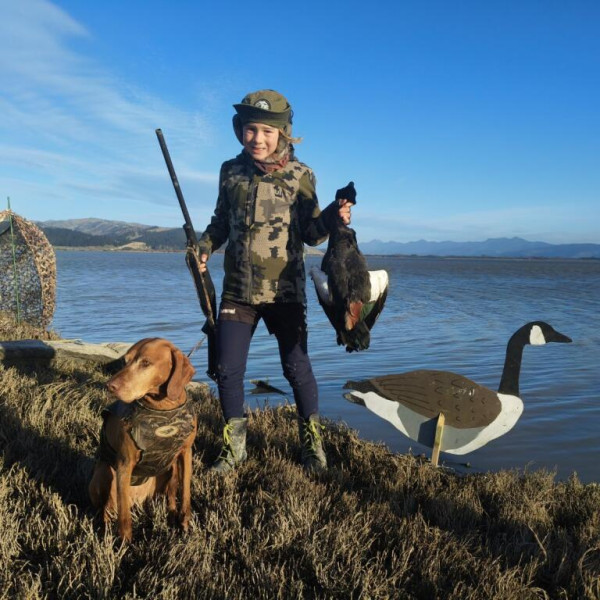
Scott Barnes with his first duck from the lagoons hunt. Photo: Stuart Barnes
This season has highlighted the important role hunting plays in bringing people together and supporting wildlife management.
The Nelson/Marlborough Wairau Lagoons management hunt was a great example, bringing more than 100 hunters together while helping address growing swan and goose numbers. Organised hunts across the country have also provided opportunities for new hunters, families and experienced hunters to enjoy time in the field.
Supporting game bird management and conservation
Hunters play an important role in understanding and protecting New Zealand’s game bird populations.
Across regions, Fish & Game continues to collect valuable information through bird band returns, population monitoring and hunter feedback. If you harvest a banded bird, reporting the details helps build knowledge about bird movements, survival and future management.
If you harvest a banded bird, we encourage you to report it via the Fish & Game website.
Bird flu update: important reminders for hunters
Although H5N1 bird flu has been detected in New Zealand, game bird hunting can still continue.
Hunters are encouraged to follow simple biosecurity practices when handling birds, dogs and equipment.
What you need to do:
Keep your distance: If you see sick or dead birds, even a single one, keep well away. Make sure your dog and any children do not touch them.
Keep clean: Scrub and clean all boots and equipment between hunting sites, and use a disinfectant if you can. After each trip, wash any clothing that has been in direct contact with birds. Wash and dry your hands after handling or dressing birds.
Know when to report: If you find three or more sick or dead wild birds together, call the Biosecurity NZ exotic pest and disease hotline: 0800 80 99 66. Do not handle or move the birds before reporting and being provided guidance.
We will provide updates as the situation develops. For the latest information from MPI, visit mpi.govt.nz/HPAI or our website at fishandgame.org.nz.
Preparing for the seasons ahead
The end of the season is the perfect time to start planning for what comes next..
Keep exploring your region, stay connected with your local hunting community, and make the most of every opportunity in the field.
Disclaimer:
The information presented in these news items is based on the context and regulations in place at the time of publication. Please note that some articles may include reference to laws and regulatory standards that have since changed. For the most current and accurate information please check our Fishing Licences & Regulations pages or our Hunting Licences & Regulations pages.