Reel Life November 2026 - Hawke's Bay
- Hawkes Bay
- 20/11/2026
After a busy start to the season on 1st October things have settled down with local and visiting anglers making the most of the great conditions. Whilst we have had a couple of rain events that freshened up the rivers, most rivers have been fishable most days since the start of the season. The exceptions were the Mohaka and Ngaruroro that both got large volumes of rain in their headwaters between the 8th – 11th November and came up; peaking at around 116 cumecs and 143 cumecs at McVicors and Fernhill bridges respectively – this was an approximately 10 fold increase in flow relative to normal summer levels for the Ngaruroro. Both these rivers were dropping back to towards normal summer levels but the rain on 18 November has changed that lifting the levels again - as we have said before; check the river levels and forecast before venturing out, particularly on these two rivers. Most of the regions other rivers and streams were all very low and clear on the 17 November when our staff were out and would benefit from a top up, with anglers in the likes of the Tukituki already commenting on high water temperatures impacting the fishing, with fish activity slowing by mid-morning. The rain on the 18 November may affect some of our other rivers but we expect they should clear quickly, and they will benefit from a “freshen up”
We have already had some very hot days with several over 30 degrees recorded, with bright and sunny conditions, although the strong westerly winds have made casting a fly difficult some days. Fortunately, we have had some lovely calm bright days making fly casting and spotting fish much easier, these conditions with low clear rivers with minimal weed growth have provided a great start to our season. The clear water conditions have made spotting trout easier but remember as the adage goes; if you can see them they can probably see you, and if they can see you they are likely to be spooked. For anglers using a stealthy approach, fine leader and smaller flies there has been some great fishing during the day, on a mix of nymphs, emergers and dryflies. The evening rises on some of our rivers in later October/ early November have been sensational with flat out rises predominately to caddis, one of our staff caught 5 nice rainbows on caddis patterns in hectic hour one evening recently after a good afternoon on mayfly nymph patterns and emergers.
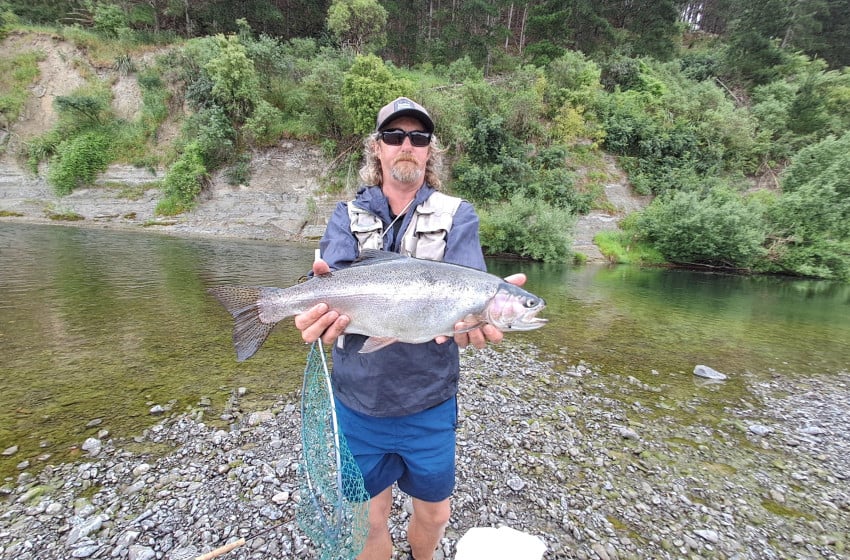
Image above: John Mulvey with a nice Tukituki River rainbow destined for the table.
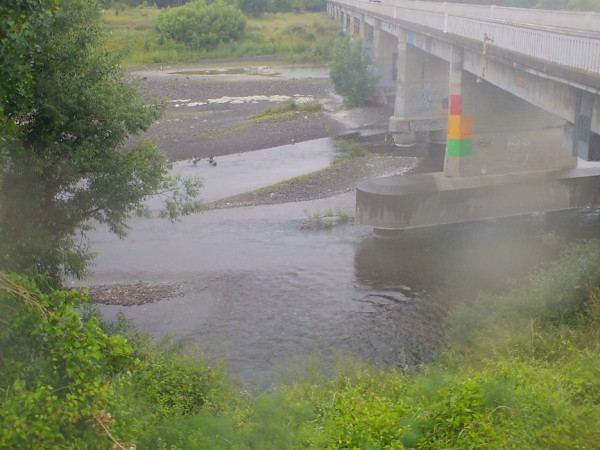
Tukituki River from HBRC webcam at Red Bridge 10:15 am on Thursday, 19 November 2026
Rivers Report
The Mohaka was low and clear at the start of the season which is quite rare; normally snow melt and high-country rain keeps it uncomfortably full until around Christmas, so not surprisingly, we had reports of some impressive fish in great condition caught already. The middle reaches in the Glenfalls/ Waitara area really picked up with an increase in average size, with high numbers of mid-sized trout.
The river flow increased to high and unfishable levels in the second week of November and were dropping but have risen again due to rain on 18 November peaking at around 50 cumecs at McVicors bridge , we expect it will drop again quite quickly. We are hopeful it will be fishable again in the weekend, generally once the flow drops back to below 30 cumecs we would expect anglers particularly spinning or soft baiting should start to see success, although caution will always be required when wading or crossing this powerful river.
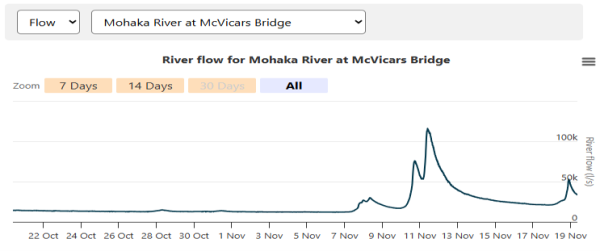
Mohaka flow at McVicars bridge – information ex HBRC website.
The Tukituki and Waipawa systems really stood out in the 2025/26 season, with incredible fish numbers in some stretches. This theme has continued into the new season with a real mixture of rainbows being caught from nice fat maiden fish, through to recovering spawned fish in the main rivers. Some really impressive brown trout have been seen and caught, particularly in the lower river where there is an abundance of whitebait. Many white baiters have been enjoying fishing for trout whilst waiting for the white bait to arrive in their net; just remember your Fish and Game Trout fishing licence.
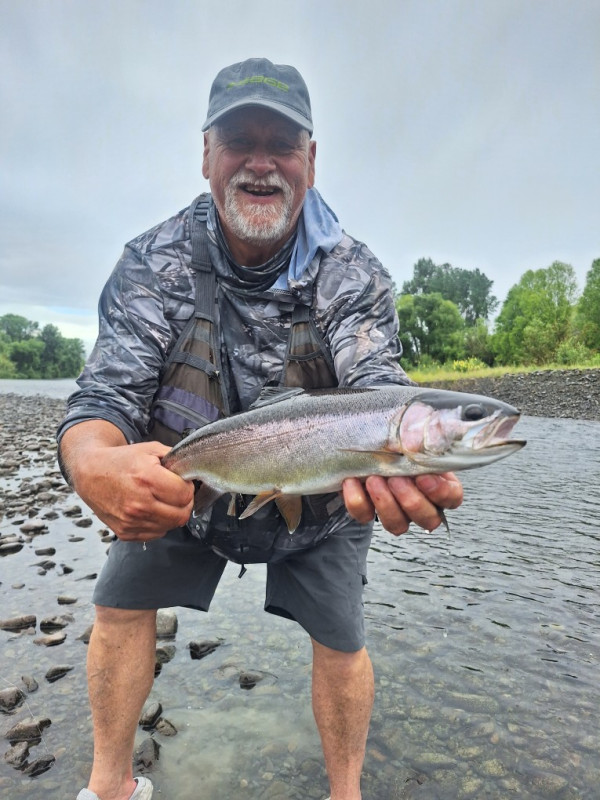
Local guru Dave Hern with a nice CHB rainbow
The Ngaruroro fished well, with many anglers targeting the upper river and tributaries, with dry fly, nymph and soft baits being the preferred options. We heard of good catches close to town, with some great, conditioned rainbows caught spinning or soft baiting, and some big browns encountered too. The wonderful thing about this part of the river is, many methods are successful; add to that it’s close proximity to town coupled with easy access, making it a great option for families, juniors and skilled anglers alike.
We expect that the coming season will continue this theme, with the Tukituki, Waipawa, Ngaruroro and Mohaka rivers recovering well post Cyclone Gabrielle, and suggest that if you are wanting to harvest a trout to take home, that you head for the Tukituki, Waipawa, mid to lower Ngaruroro or Mohaka. We have also released more rainbow trout into Lake Hawkston, which will provide opportunity when the rivers are dirty – please contact the landowner for access.
What to use?
The simple answer is; where possible match what the trout are feeding on, this will vary whether you are near the coast or in the upper reaches of a river and will vary from catchment to catchment, but don’t be scared to try a different fly or lure from time to time. As general rule in higher coloured water levels spinners, soft baits and larger more heavily weighted Czech style nymphs with plenty of flash will work better, as levels drop and the water clears, smaller nymphs and dries on finer leaders are likely to be more successful.
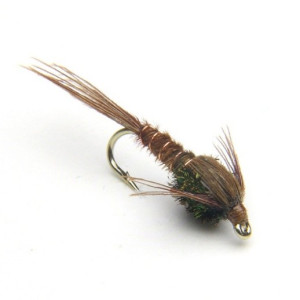
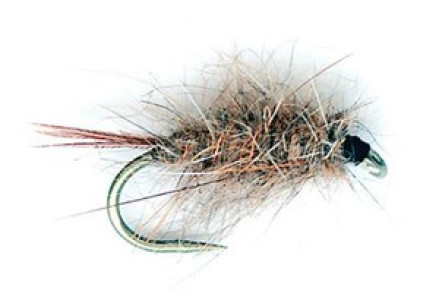
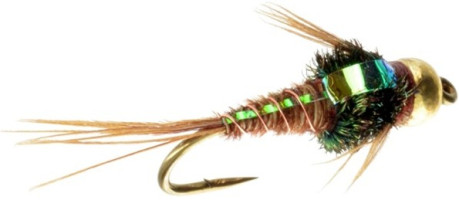
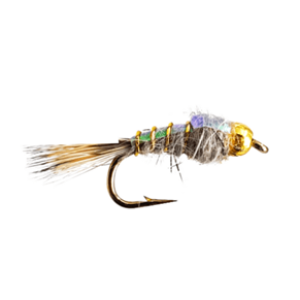
Choice of Flies – In fast, deep and particularly broken water, more weight and a faster sink rate is generally better, whilst on low, clear, more gentle water a smaller lighter weighted nymph with correspondingly slower sink rate is better. Generally Czech style nymphs will have a large very heavy tungsten bead head and will sink very quickly; and normally land with a more noticeable splash that may frighten a wary trout. A bead headed traditional nymph may come with either tungsten bead or a brass bead but generally the bead will be proportionately smaller than a Czech style nymph and have a bulkier body, so sink rate will be slower and be dependent on bead composition, nymphs without a bead will generally be slowest to sink. The same follows with soft baits and some lure flies; the heavier the head the faster they sink, a bead headed woolly bugger for example will sink faster and swim deeper than one without a bead head.
|
|
|
A traditional pheasant tail and hare and copper nymphs. |
|
|
|
|
Bead headed and flash backed versions of the traditional nymphs above. |
|
Lower reaches – trout will still be eating white bait and smelt as well as the usual nymphs and dry flies, so smelt flies fished across and down such grey ghost, yellow rabbit, and silicon smelt would be a good starting point; spinners and soft baits should also work well, particularly if there is a bit of colour in the river.
Dry Flies – Sedge and mayfly patterns such as an Adams or Kakahi Queen , with some anglers opting for a buoyant general pattern with a small nymph fished under it.
Nymphs – caddis and mayfly patterns, with a bead head and possibly some flash especially if there is some colour in the river, will work well, adjusting the amount of weight depending on flow and depth.
Weather
The extended forecast looks promising with predominately clear bright conditions and minimal wind through to the end of the month with a few days of light rain in the mix. It is worth remembering that as the water temperatures rise as we progress through summer, trout activity will generally slow; particularly in the hotter parts of the day, a cooler overcast or even rainy day may see in increase in trout activity.
The long-range weather forecast suggests we may be in for an El Nino summer which will give dryer conditions on the east with more westerly quarter winds and wetter conditions on the west coast, this may result on low clear rivers that rise in the foothills but potentially higher levels on the big rivers that have their headwaters further west. The key takeaway message from this is; just because the smaller coastal rivers are low and clear there is no guarantee the likes of the Mohaka and Ngaruroro will be too, we suggest you check the weather forecast and HBRC rivers levels pages before heading out and be prepared because the Ngaruroro is notorious for rising very quickly from rain in its upper reaches. Please see the following links
River Levels & Flows | Hawke's Bay Regional Council
Hawke's Bay Region Rural Weather Forecast | MetService
Napier Weather Forecast | MetService
Hot Temperatures and Trout Activity
With the very high temperatures we have been experiencing, many anglers have noticed a drop off in feeding activity in the hotter parts of the day, this will largely be due to water temperature. The other key thing to remember is that as water temperatures rise over 19 degrees, a released trout’s chances of survival is reduced, making how we handle a fish increasingly important. Get it released as quickly as possible and avoid taking it out of the water is the best advice we can offer and possibly consider not fishing in the hottest parts of the day particularly if you are fishing a river with minimal shade.
Daily Activity Patterns
Trout feeding activity is influenced not only by overall water temperature, but also by fluctuations throughout the day. Trout tend to feed more actively in the early morning and late evening, when water temperatures are cooler and closer to their comfort range. During warmer daytime conditions, their activity decreases as they conserve energy and avoid thermal stress.
Low Bag Limits and Releasing Trout.
With relatively low bag limits, and regulations that state an angler must cease fishing once the daily bag limit has been reached, Hawkes Bay anglers may find that they want to selectively harvest, meaning they need to release trout, so they can continue fishing.
All anglers need to be aware that how they handle the fish is critical to its survival after being released, this becomes increasingly important as water temperatures rise.
Here are our ‘Quick 5’ tips for handling fish with care:
- Always wet your hands before handling a fish and if possible, use a knotless landing net.
- Keep the fish in the water while removing the hook – a specialized hook remover or forceps readily available on your vest, will definitely help.
- Do not squeeze the fish and never touch the gills.
- If you feel you must photograph your fish, do it in or over the water and make it quick - the fish should never be out of the water for more than 5 seconds.
- Revive the fish by facing into the current long enough for it to regain its swimming strength.
In the unfortunate instance that a fish you intended to release does end up bleeding from the gills or cannot maintain itself upright, so long as you can legally take that fish, we recommend you should keep it as part of your bag limit and utilize it.
If you want to harvest a trout for dinner we recommend you take a nice fat younger fish rather than a big mature spawner, as we still need them to help replenish our fisheries and let’s face it, a big mature trout is too valued to be only caught once.
Warnings –Poisoning Operations and Road Closures .
PEST CONTROL OPERATIONS –
Te Pohue, Esk Valley and Waikoau 2 NOVEMBER 2026 TO 30 JUNE 2027
Rangitaiki/ Tarawera - 7 DECEMBER 2026 TO 30 JUNE 2027
We have been advised that Better Nature Ltd will be carrying out a series of ground-based pest control operations in the Hawkes Bay area between the above dates to target possums. The work will be carried out under contract to TBfree New Zealand.
Methods of control may include:
- Trapping (kill traps or leghold traps) with a non-toxic scented flour blaze to attract possums. Kill traps are used in areas where it is inappropriate to use toxins, such as near houses or schools.
- Encapsulated cyanide pellets (Feratox) in bait stations and/or blue paper bait bags fixed to trees or similar objects in possum habitat.
- Brodifacoum pellets (Pestoff) in bait stations.
- Diphacinone pellets (Pestoff 50D/Ratabate) in bait stations and/or Ratabate strikers.
All toxic baits are dyed green.
Warning signs will be displayed at all access points into the operational area when work is in progress and will remain in place until toxin caution periods have expired.
Mohaka River access via jock Sutton Road
Pan Pac Forest Products have advised that Jock Sutton Road at Glen Falls will close from October 2026
Fishing Regulations for the 2026/27 Season.
Please check your licence very carefully, a 2 fish limit applies on some stretches, and 1 fish limit still applies on most tributaries and smaller rivers. Anglers may wish to practise selective harvest, so please treat any trout you release with care, returning them to the water as soon as you can. Anglers are reminded that once they have taken their daily bag limit, they must stop fishing for the day.
We urge all anglers to buy a license, check the regulations, enjoy the great and varied fishing Hawkes Bay has to offer and remember to carry their license with them.
If you need to buy a licence, please check you pick the correct licence option for you or your family. Please visit your local retailer or follow the link below for online sales.
Fishing Licence New Zealand - Fish & Game NZ
Check, Clean, Dry - protecting our trout fishing and the next generations Trout Fishing.
Over the winter many angler will have travelled out of the bay to fish other regions ; particularly the canals down south and the Taupo district.
We remind all anglers to ensure they check, clean, sterilize, then dry to be sure – dry to touch inside and out , then leave to dry for another 2 days before using again, when moving between rivers and lakes, this is particularly important for anyone travelling in from the Waikato or the South Island, with their respective gold clam and didymo risks. Once cleaned of any dirt, weed or other matter, all gear should be sterilised, Biosecurity NZ recommend soaking in a 5% bleach solution for a minimum of 1 hour, then dried as above. We have some great rivers, offering wonderful fishing in the north island, but the last thing anyone wants is someone introducing a pest species or organism. If you need any more information please check 'Check Clean Dry': help protect New Zealand's waterways | NZ Government
Disclaimer:
The information presented in these news items is based on the context and regulations in place at the time of publication. Please note that some articles may include reference to laws and regulatory standards that have since changed. For the most current and accurate information please check our Fishing Licences & Regulations pages or our Hunting Licences & Regulations pages.